Geopolitics · Maritime
The Malacca Dilemma: and Sea-Lane Security
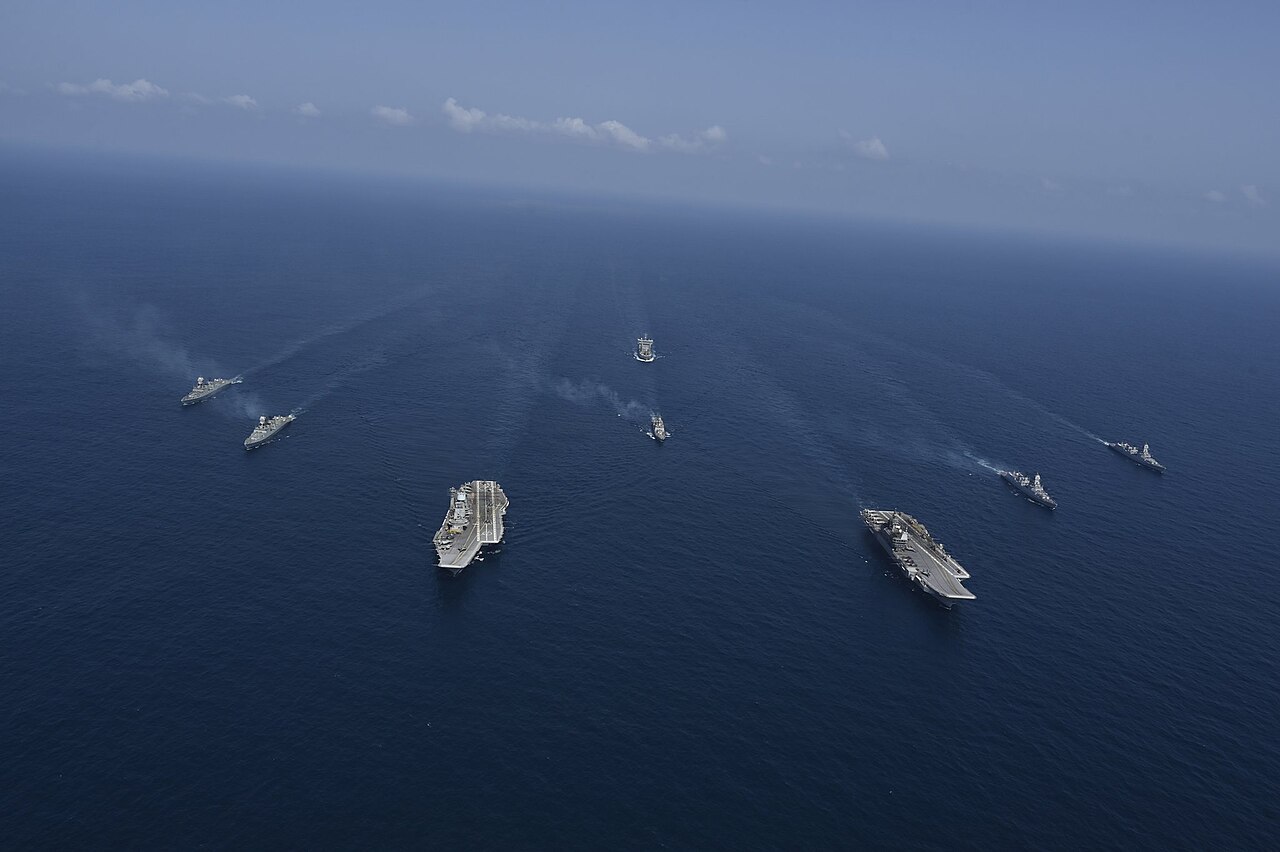
At its narrowest, it is less than three kilometres wide. Yet through the Strait of Malacca, between Malaysia and Sumatra, passes around a quarter of the world's traded goods and much of Asia's energy. Few stretches of water carry more strategic weight.
A bottleneck for a continent
The strait is the shortest sea route between the Indian and Pacific oceans. For China, most imported oil passes through it — a dependence Chinese strategists themselves named the Malacca Dilemma: the fear that the lane could be blockaded in a crisis.[1]
Control of a narrow sea can shape the fate of nations far larger than the strait.
India's geographic gift
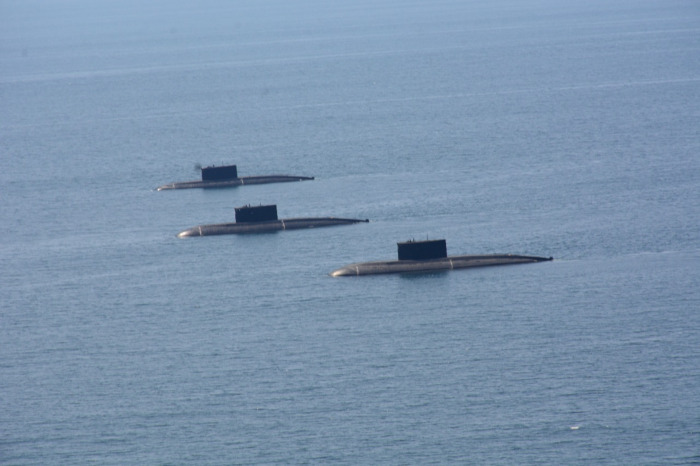
India's Andaman and Nicobar Islands sit astride the western approaches to the strait. This hands India a powerful position: the ability to monitor, and potentially influence, traffic through one of the world's most vital choke points.
China's workarounds
To reduce its exposure, China has built pipelines through Myanmar, courted ports across the Indian Ocean, and pushed overland routes — all attempts to escape a vulnerability geography imposed on it.
The shared stake
The dilemma is not China's alone. India, Japan and the Southeast Asian economies all depend on these lanes, which is why sea-lane security is a unifying interest of the Indo-Pacific.
Why it matters
Malacca is the clearest example of how geography becomes destiny. Control of a narrow sea can shape the fate of nations far larger than the strait itself — and India sits, by accident of map, in a position of quiet advantage.
Sources & further reading
- "Malacca Strait" and "Malacca Dilemma," Wikipedia.
All images via Wikimedia Commons, used under the licences shown on each file page.