Geopolitics · Energy
India's Energy Security Dilemma: Fuelling a Rising Power
Behind every foreign-policy choice India makes lies a quiet, unyielding fact: it imports the bulk of the oil and gas that powers its economy. Energy security is the hidden hinge on which much of India's diplomacy turns.
The dependence
India is among the world's largest energy importers, buying most of its crude oil from abroad. That dependence makes distant events — a Gulf crisis, an OPEC decision, a blocked strait — immediate domestic concerns.[1]
To understand Indian foreign policy, follow the fuel.
Choke points and sea lanes
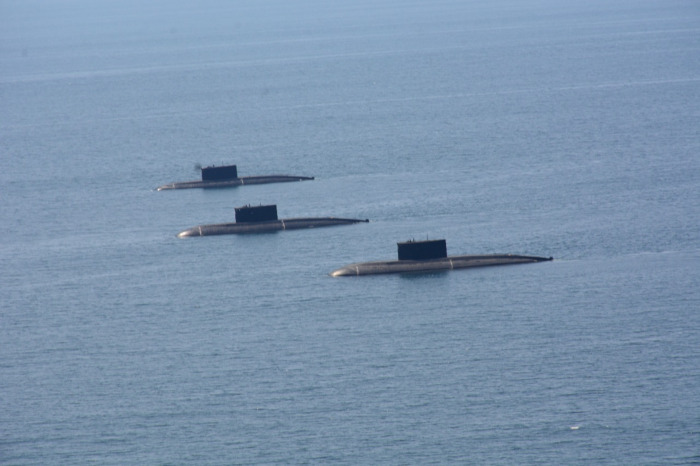
Most of that energy arrives by sea through the Strait of Hormuz and the Strait of Malacca. The vulnerability of these choke points is why energy and naval strategy are inseparable for India.
Diversifying the suppliers
India deliberately spreads its purchases — the Gulf, the US, Africa, and discounted Russian crude after 2022. The strategy is resilience: never let any single supplier hold decisive leverage.
The renewable bet
The long-term answer is to import less. India has set ambitious targets for solar and wind, championed the International Solar Alliance, and tied energy transition to both climate goals and strategic independence.
Why it matters
Energy explains choices that otherwise puzzle outsiders — why India buys from rivals' rivals, invests in distant ports, and guards the ocean so jealously. To understand Indian foreign policy, follow the fuel.
Sources & further reading
- "Energy in India," Wikipedia.
All images via Wikimedia Commons, used under the licences shown on each file page.