Geopolitics · The Indo-Pacific
The Quad: India and the Indo-Pacific Balance
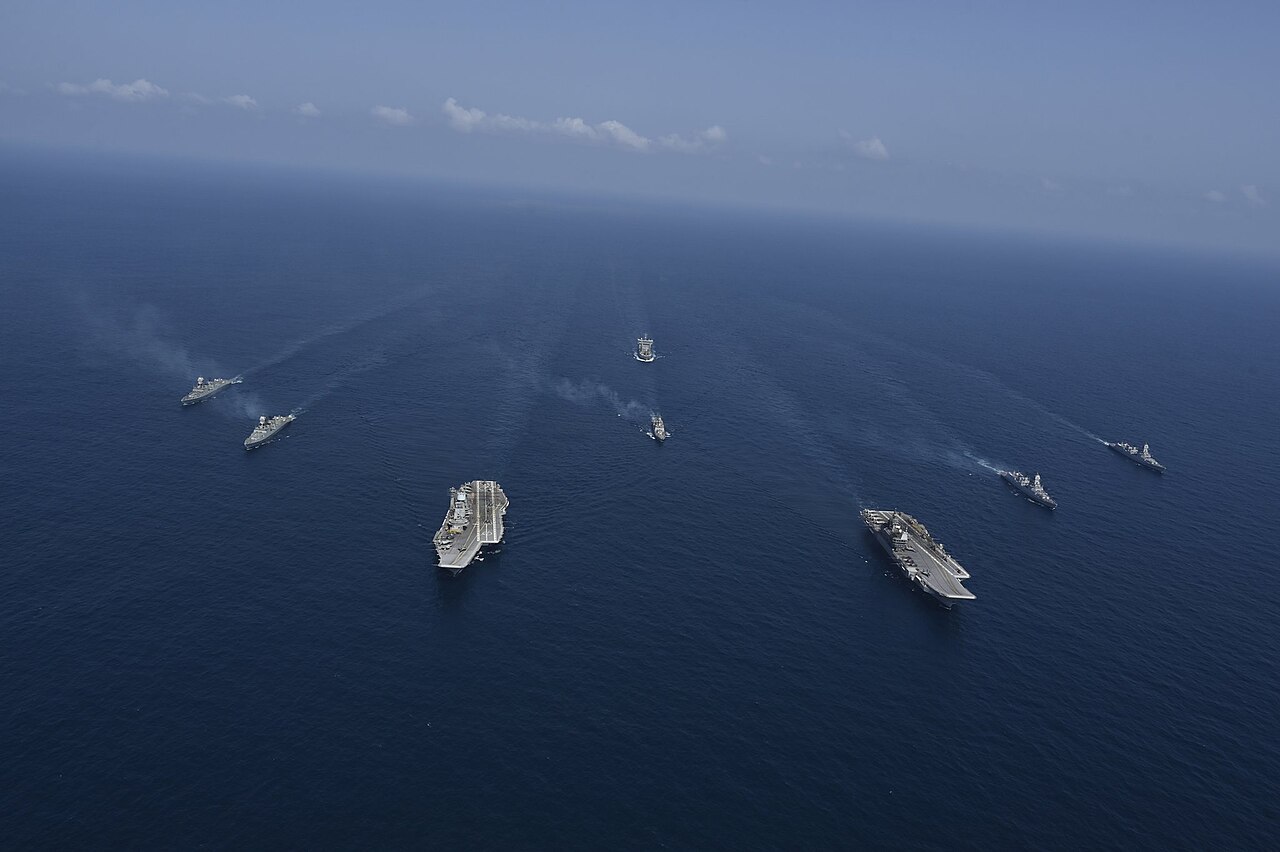
The world's economic centre of gravity has moved to the seas between the eastern coast of Africa and the western shores of the Americas — the vast theatre now called the Indo-Pacific. Through its sea lanes flow most of the world's trade and energy. And watching over that contested water is an unusual grouping of four democracies: the Quadrilateral Security Dialogue, or the Quad.
What the Quad is
The Quad brings together India, the United States, Japan and Australia — four major democracies with a shared interest in a "free and open Indo-Pacific." It is not a formal alliance like NATO. There is no treaty, no mutual-defence clause, no joint command. It is a flexible partnership built on summits, working groups, and cooperation on everything from maritime security to vaccines, critical technology, and supply chains.[1]
From tsunami relief to strategy
The idea was born in disaster, not war. After the 2004 Indian Ocean tsunami, the four navies coordinated relief so effectively that the cooperation seemed worth keeping. A first attempt at a formal grouping in 2007 faded under Chinese diplomatic pressure and a change of government in Australia. It was revived a decade later, in 2017, as concern about China's assertiveness deepened — and this time it stuck, rising to leaders' summits by 2021.[2]
Four democracies, one ocean, and a quiet agreement that no single power should own it.
What it is really about
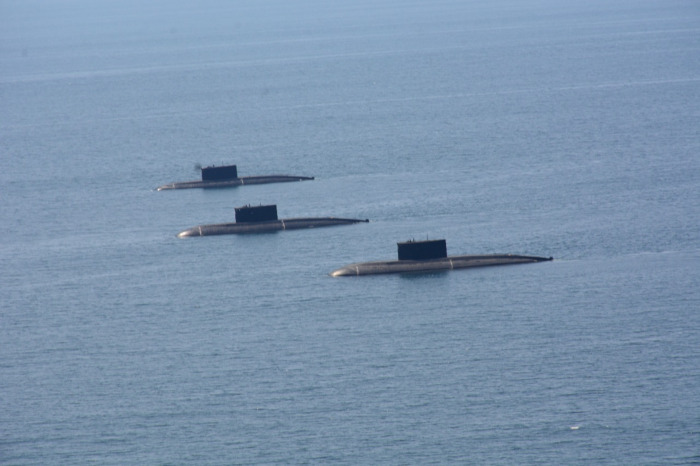
No Quad statement names China as a target — but the subtext is unmistakable. As Beijing built artificial islands in the South China Sea, expanded its navy, and pressed its neighbours, the four saw value in coordinating. The Quad's real purpose is to keep the Indo-Pacific multipolar: to ensure freedom of navigation, transparent infrastructure financing, resilient supply chains, and a rules-based order that does not bend to the largest power alone.
India's careful balance
For India, the Quad is both an opportunity and a tightrope. It deepens ties with the world's most capable democracies and the technology and capital that come with them. The Malabar naval exercise, once bilateral, now brings all four navies together. Yet India guards its tradition of strategic autonomy: it will not be drawn into a formal anti-China bloc, keeps its long friendship with Russia, and insists the Quad is constructive, not confrontational.
The limits
Critics call the Quad a "talking shop" — long on summits, short on hard commitments. Its strength, paradoxically, is also its informality: with no binding obligations, it survives changes of government and avoids provoking outright crisis. Whether it can mature into something that genuinely shapes the regional order, or remains a useful signalling platform, is the open question of the decade.
Why it matters at home
The Indo-Pacific is not an abstraction for India. It is the water its trade crosses, the region its diaspora populates, and the theatre where the Indian Navy projects power. The Quad is one of the instruments through which a rising India tries to shape a world that does not yet have a settled centre — a reminder that security today is written as much on the sea as on the snow of the Himalayan frontier.
Sources & further reading
All images via Wikimedia Commons, used under the licences shown on each file page.