Heritage · 26 January
Republic Day: The Promise India Renews
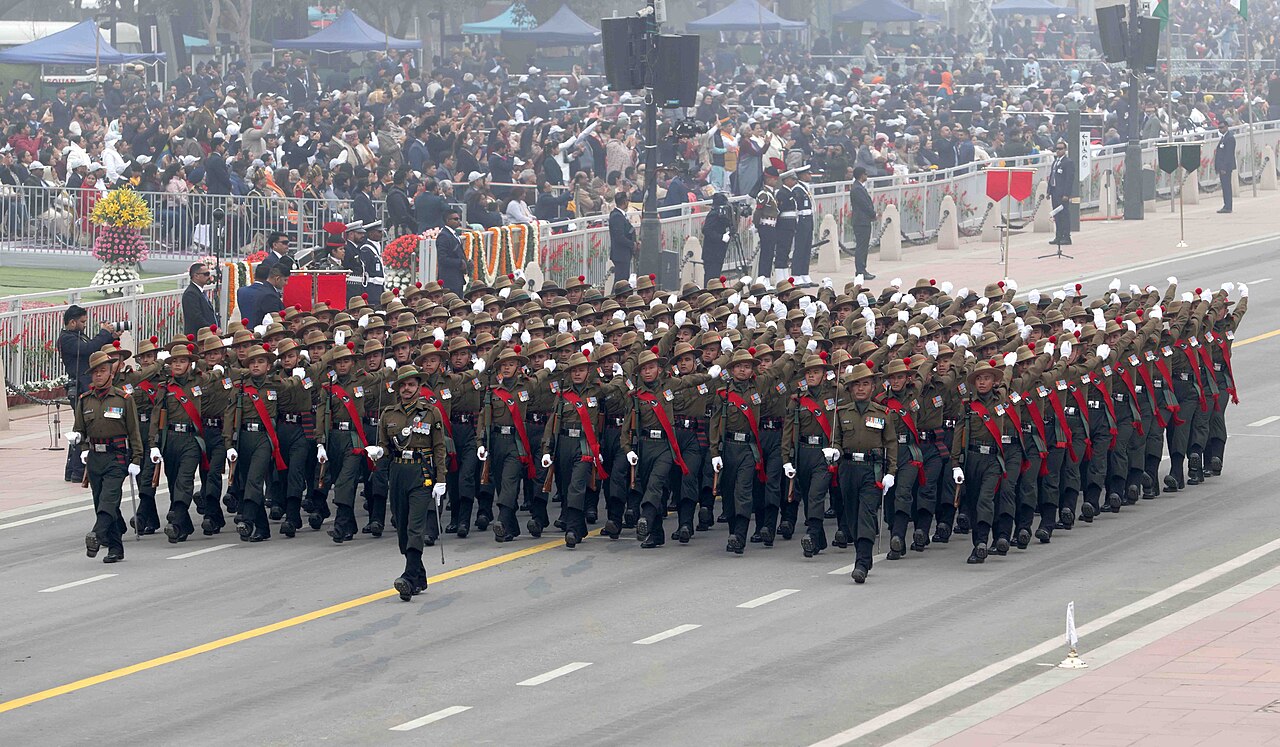
On 26 January, India does not merely hold a parade. It renews a promise it first made to itself in 1950 — a promise about the kind of nation it intends to be. Republic Day is that promise, dressed in colour and ceremony.
The day a republic was born
On 26 January 1950, the Constitution of India came into force, transforming the newly independent dominion into a sovereign democratic republic.[1] The date was chosen deliberately: it was the anniversary of the 1930 "Purna Swaraj" declaration of complete independence, linking the new republic to the long freedom struggle that birthed it.
The flag stood tall, the oath held true, a soldier's dream in tricolor hue.
More than a parade
The grand parade along Kartavya Path in New Delhi, with its marching contingents, tableaux and flypast, is the public face of the day. But woven into the same ceremony is something more solemn: the conferral of the nation's highest gallantry awards, and the honouring of its bravest — including those who receive their medals posthumously, accepted by grieving families.[1]
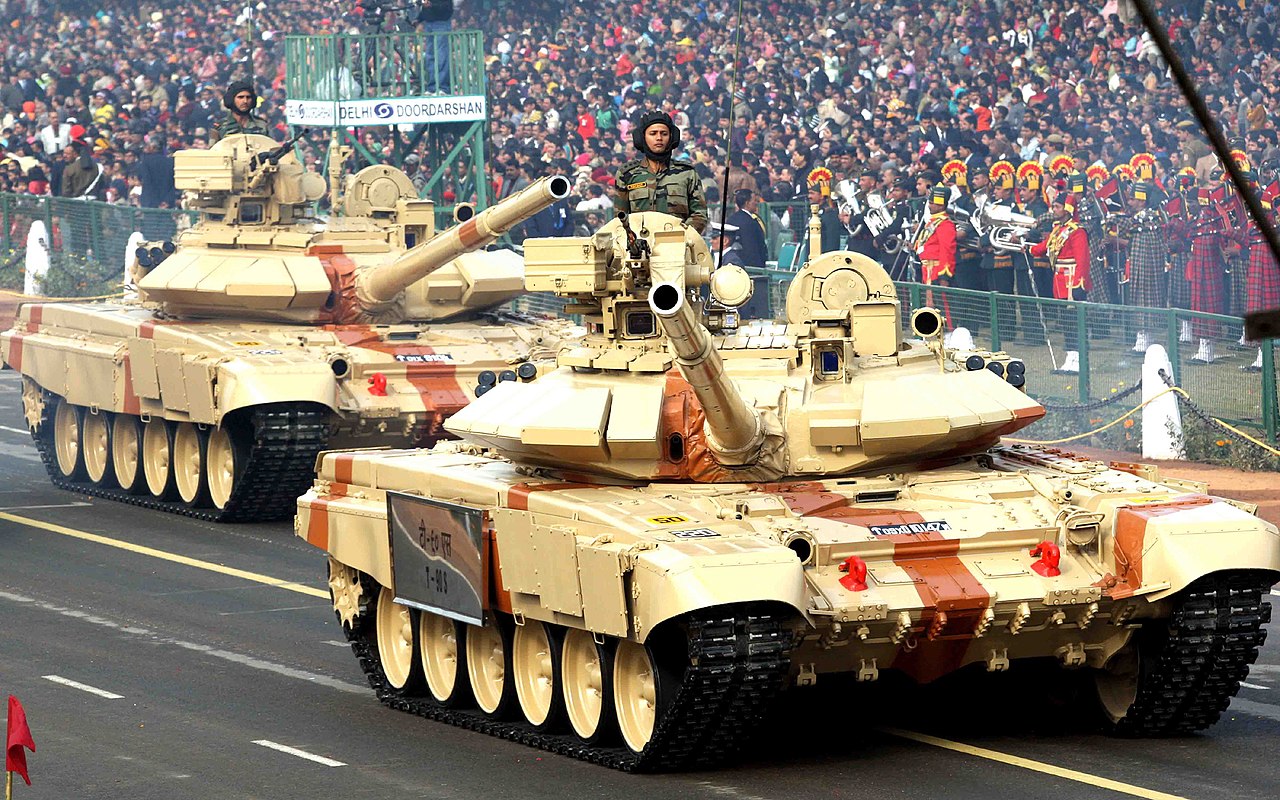
So the celebration of the republic and the remembrance of its defenders happen side by side, as they should. The parade ground holds both the joy of freedom and the price of it.
Renewing the vow
A republic is not a thing achieved once and kept forever. It is a promise that each generation must choose to keep — the promise of justice, liberty, equality and fraternity written into the Constitution's preamble.
The soldiers who march on 26 January, and those honoured on it, are the most visible guardians of that promise. But Republic Day quietly asks the same thing of every citizen watching: to be worthy, in our own smaller ways, of the freedom these men and women defend. That, more than any flypast, is what the day is for.
Sources & further reading
All images via Wikimedia Commons, used under the licences shown in each caption.