Geopolitics · The Neighbourhood
India's Neighbourhood First Policy: Power Begins at Home
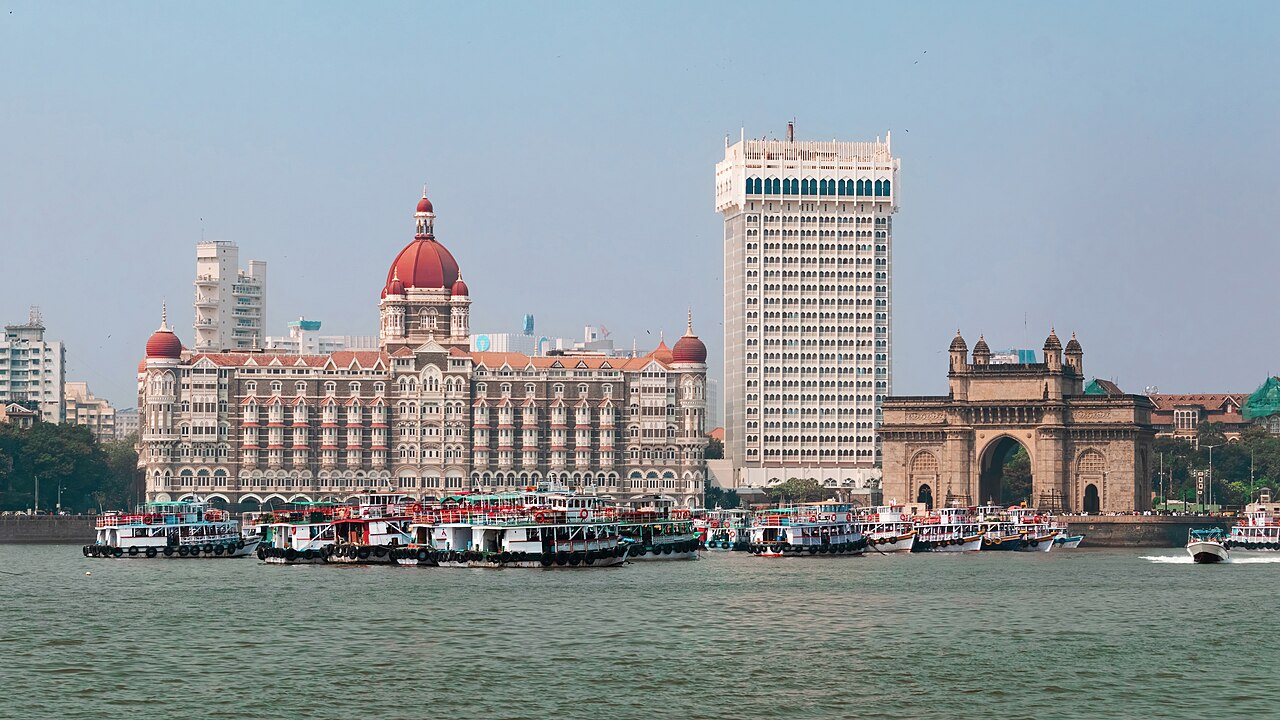
A simple idea anchors much of Indian diplomacy: a rising power must first secure its own backyard. Neighbourhood First is India's commitment to put its smaller South Asian neighbours at the centre of its foreign policy — for both generosity and self-interest.
The logic
India shares borders or seas with Nepal, Bhutan, Bangladesh, Sri Lanka, the Maldives and Pakistan. Instability in any of them — economic collapse, migration, or foreign basing — washes directly onto Indian shores. A stable neighbourhood is a strategic necessity.[1]
A rising power must first secure its own backyard.
Aid, trade and trust
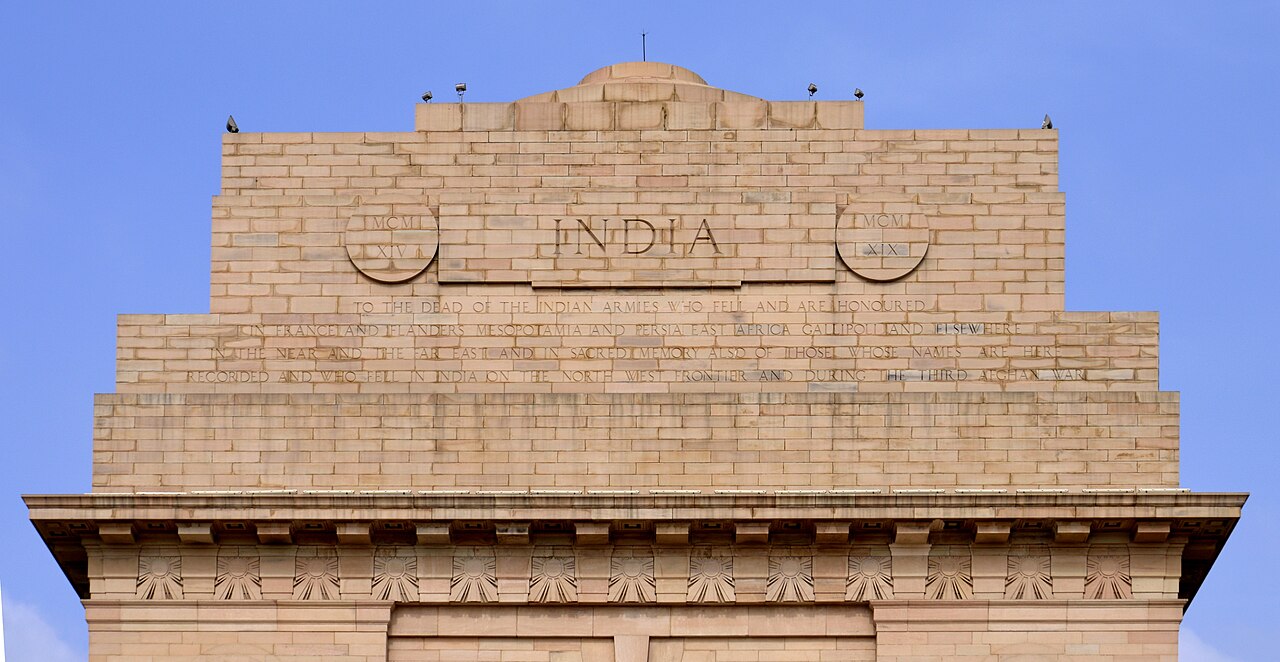
The policy runs on lines of credit, infrastructure, energy grids, vaccine diplomacy and disaster relief. When Sri Lanka's economy collapsed in 2022, India extended billions in emergency support — generosity that is also strategy.
The China factor
Every neighbour is now courted by Beijing's loans and ports. India's challenge is to remain the partner of first resort without appearing to dominate — a delicate balance between presence and overreach, watched closely from Kathmandu to Malé.
The frictions
Neighbours value India's help but resent perceived heavy-handedness; border disputes, river-water sharing and political swings regularly strain ties. Smaller states have learned to play larger powers against each other.
Why it matters
India's global ambitions — the Indo-Pacific, a UN seat, leadership of the South — all rest on credibility at home. If India cannot lead its own region, the wider claims ring hollow.
Sources & further reading
- "Neighbourhood First policy," Wikipedia.
All images via Wikimedia Commons, used under the licences shown on each file page.