Geopolitics · Global Order
India's Quest for a Permanent Seat: at the UN Security Council
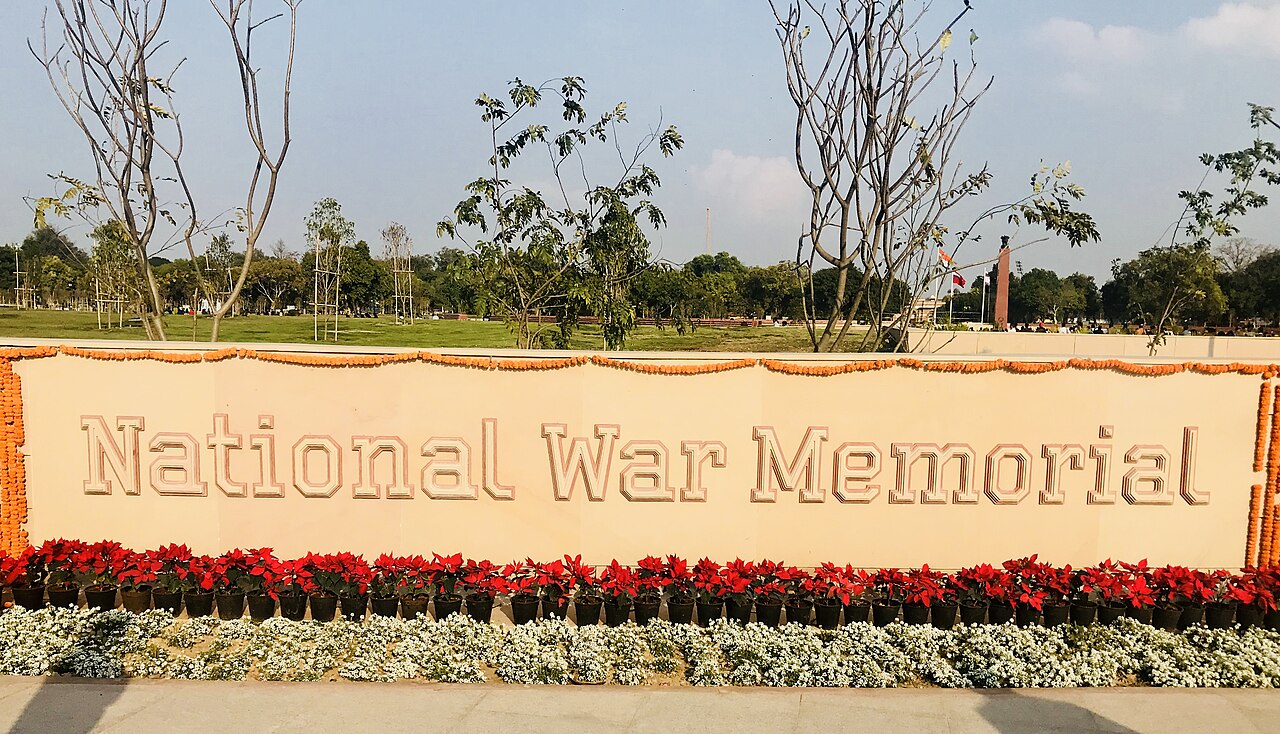
The United Nations Security Council was designed in 1945, in a world that no longer exists. Its five permanent members still hold the veto — and India, home to one in six people on earth, is not among them. Changing that has become a defining goal of Indian diplomacy.
A council frozen in 1945
The five permanent members — the US, UK, France, Russia and China — are the victors of the Second World War. The world has been remade since: decolonisation, new powers, new economies. Yet the top table has barely changed, and only the P5 wield the veto.[1]
A council that excludes a sixth of humanity cannot claim to speak for the world.
India's case
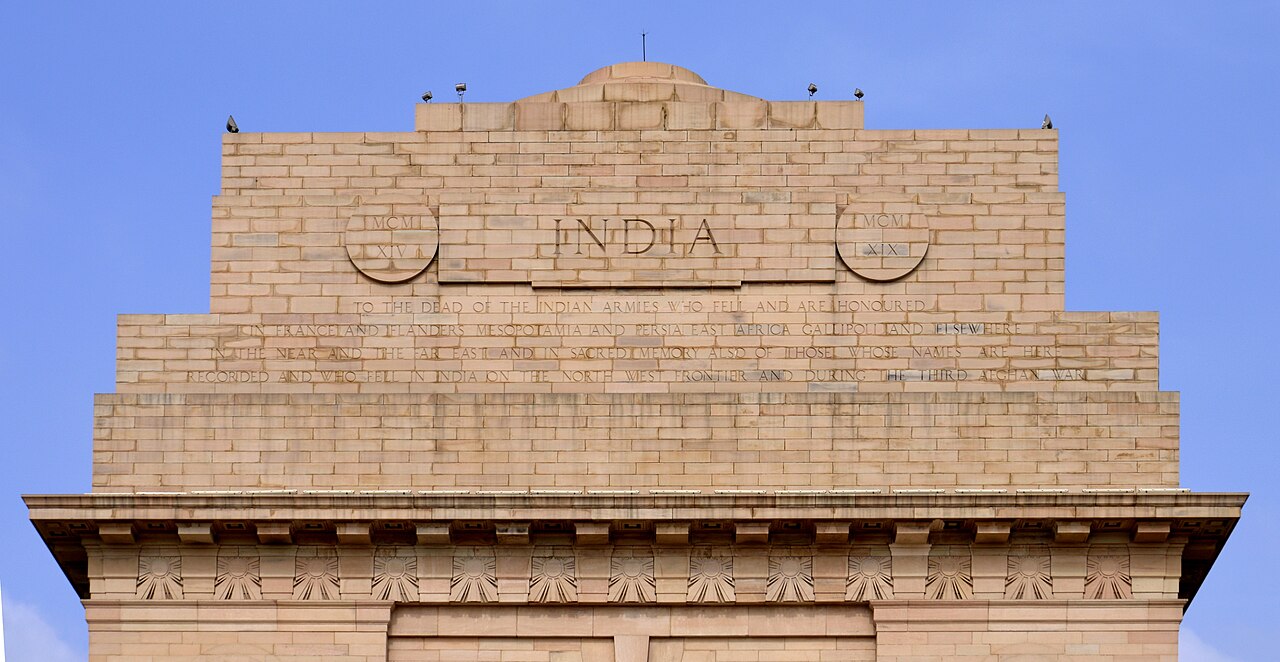
India argues from scale and contribution: the world's most populous nation, a major economy, and one of the largest contributors of UN peacekeepers. A council that excludes it, Delhi says, cannot claim to represent the world it governs.
The G4 and the blockers
India campaigns alongside the G4 — Japan, Germany and Brazil — each seeking a permanent seat. But reform requires amending the UN Charter and surviving the P5 veto. Rival groupings and regional jealousies, and China's reluctance to admit India, keep the door shut.
Symbol and substance
A permanent seat would be more than prestige. It would give India a veto over the world's hardest security decisions and a formal voice for the Global South it increasingly champions. Without it, India's rise is real but unrecognised at the highest table.
Why it endures
Reform has stalled for decades, and may stall for decades more. But the campaign itself signals India's ambition — and exposes the gap between the institutions of the last century and the powers of this one.
Sources & further reading
- "Reform of the United Nations Security Council," Wikipedia.
All images via Wikimedia Commons, used under the licences shown on each file page.