Geopolitics · Maritime
The Indian Ocean: India's Strategic Backyard
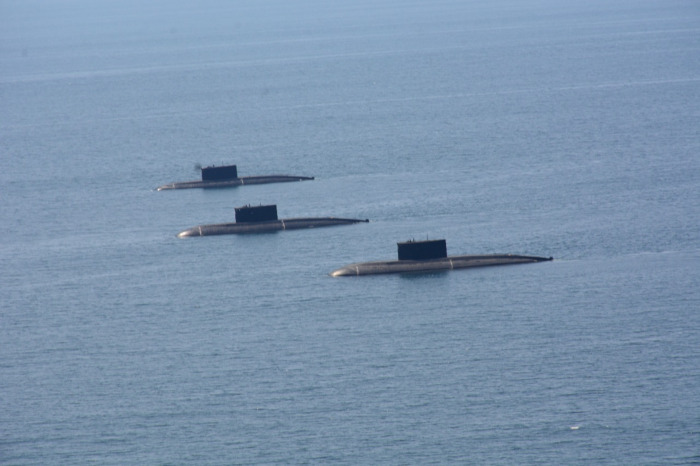
It is the only ocean named after a country. Through the Indian Ocean passes much of the world's oil and a huge share of global trade — and almost all of India's. No space matters more to India's prosperity and security.
The arteries of trade
The ocean's value lies in its choke points: the Strait of Hormuz, the Bab-el-Mandeb, and the Strait of Malacca. Energy and goods funnel through these narrow gates, and whoever can secure or threaten them holds real power.[1]
For an import-dependent nation, the ocean is destiny.
India's doctrine: SAGAR
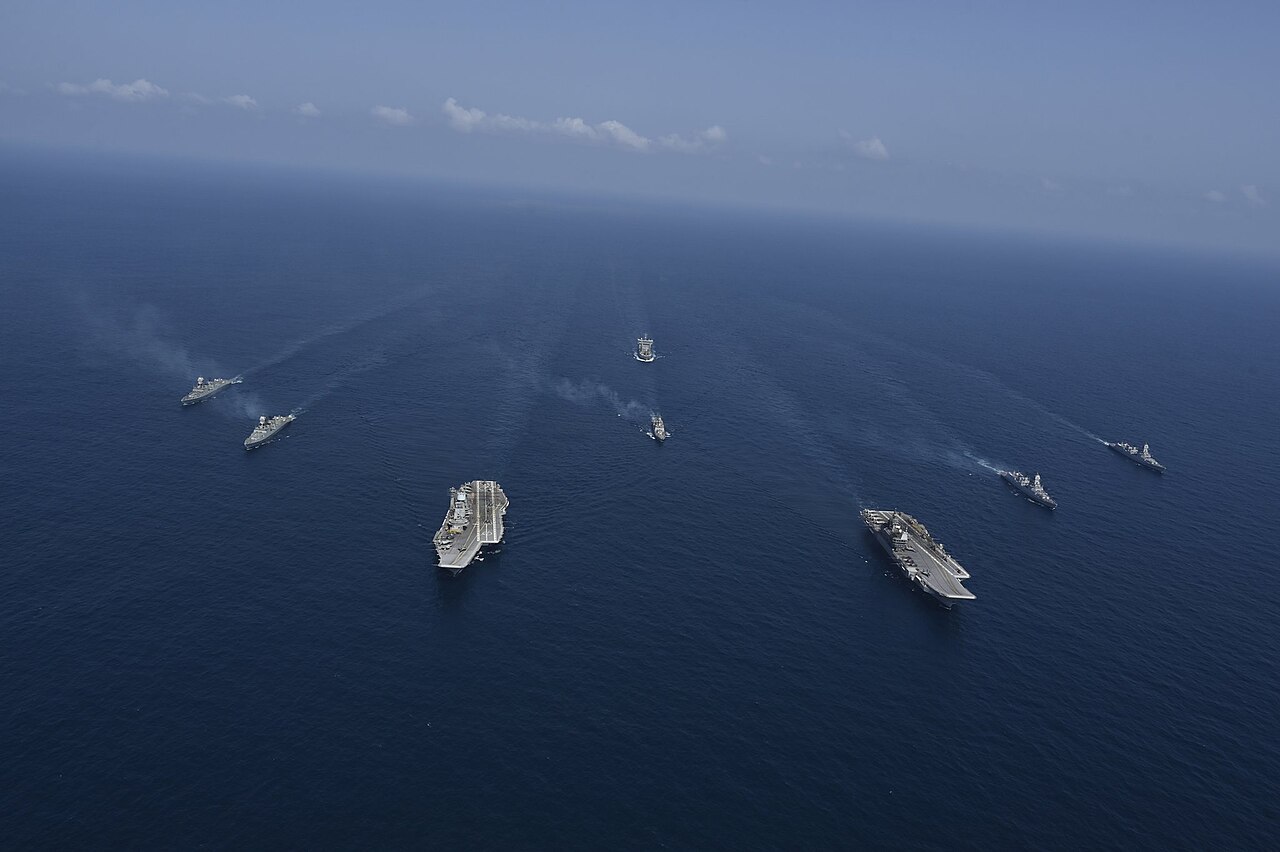
India frames its role through SAGAR — 'Security and Growth for All in the Region' — positioning itself as a net security provider rather than a hegemon: disaster relief, anti-piracy patrols, and capacity-building for smaller states.
Islands and partners
Influence is built atoll by atoll: ties with the Maldives, Seychelles, Mauritius and Sri Lanka; surveillance arrangements; and the regional IORA grouping. Each partnership is a window onto a vast ocean no single navy can watch alone.
The contest
China's growing presence — its String of Pearls and a permanent base at Djibouti — has turned the ocean into contested space. India answers with naval expansion, the Quad, and information-sharing centres that track every ship that moves.
Why it matters
For an import-dependent, trade-driven nation, the ocean is destiny. India's rise will be decided as much on this water as anywhere — which is why the sea now sits at the centre of its strategy.
Sources & further reading
- "Indian Ocean," Wikipedia.
All images via Wikimedia Commons, used under the licences shown on each file page.