Geopolitics · West Asia
India and the Middle East: Energy, Diaspora, Diplomacy
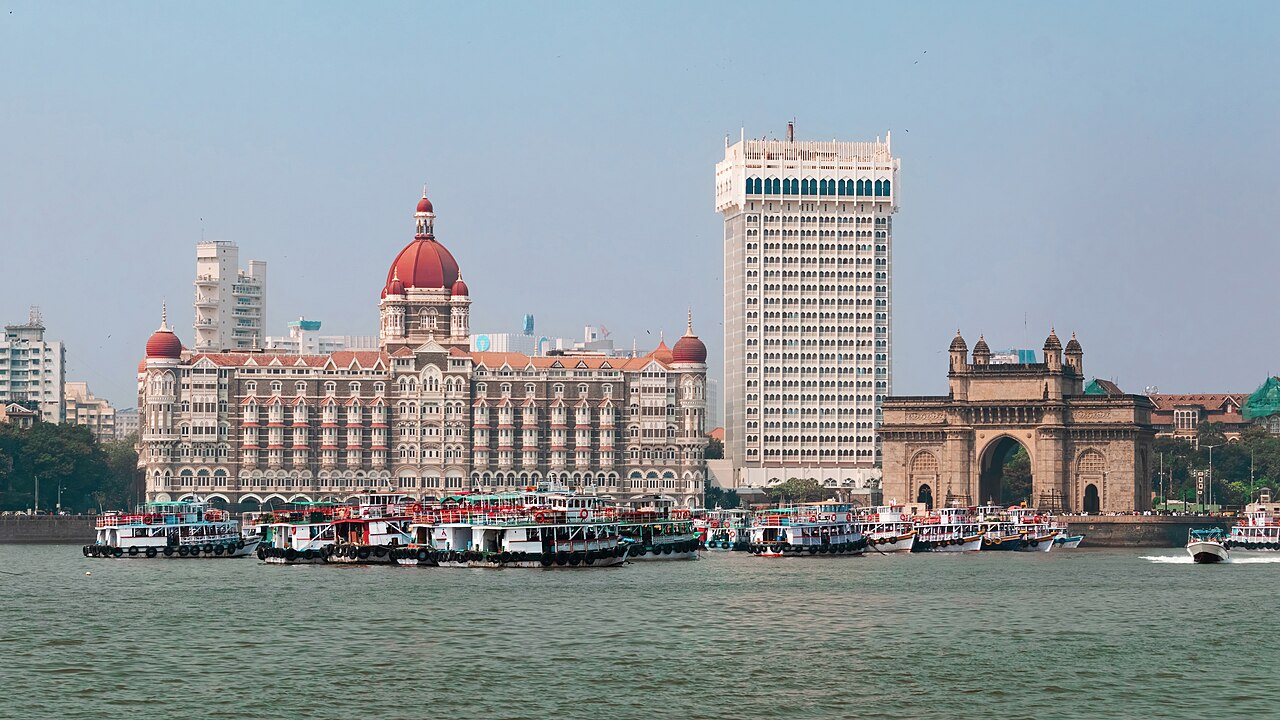
To India's west lies a region it calls West Asia — the source of much of its energy, the home of millions of its workers, and an arena where it balances among bitter rivals with remarkable poise.
Three pillars
India's stake rests on three foundations: energy imported from the Gulf, a diaspora of around nine million Indians who send home vital remittances, and trade with fast-diversifying Gulf economies.[1]
India keeps warm ties with three sets of rivals — by refusing to join anyone's quarrel.
The balancing act
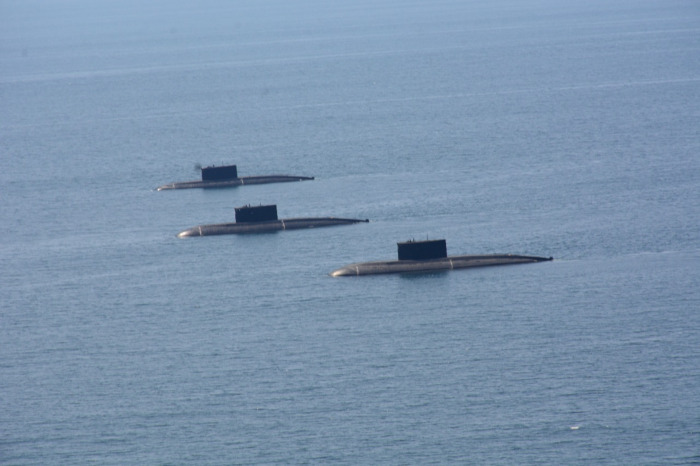
India maintains warm ties with Israel and the Arab Gulf states simultaneously, and keeps working relations with Iran — three sets of rivals. Few powers manage this; India does it by keeping relationships transactional and avoiding the region's ideological quarrels.
New architecture
Recent years brought the I2U2 grouping (India, Israel, the UAE and the US) and the proposed India–Middle East–Europe Economic Corridor (IMEC) — a rail-and-port route meant to link India to Europe through the Gulf, and a deliberate alternative to China's Belt and Road.
Energy and access
The Gulf complements India's Chabahar strategy and its quest for energy security, while the diaspora gives India a human stake in regional stability that few outside powers possess.
Why it matters
West Asia is where India's economy, its citizens and its strategy all converge. Managing it well is not optional — it is essential to keeping the lights on and the economy moving.
Sources & further reading
- "India–Gulf Cooperation Council relations," Wikipedia.
All images via Wikimedia Commons, used under the licences shown on each file page.