Geopolitics · Connectivity
Chabahar Port: India's Gateway to Eurasia
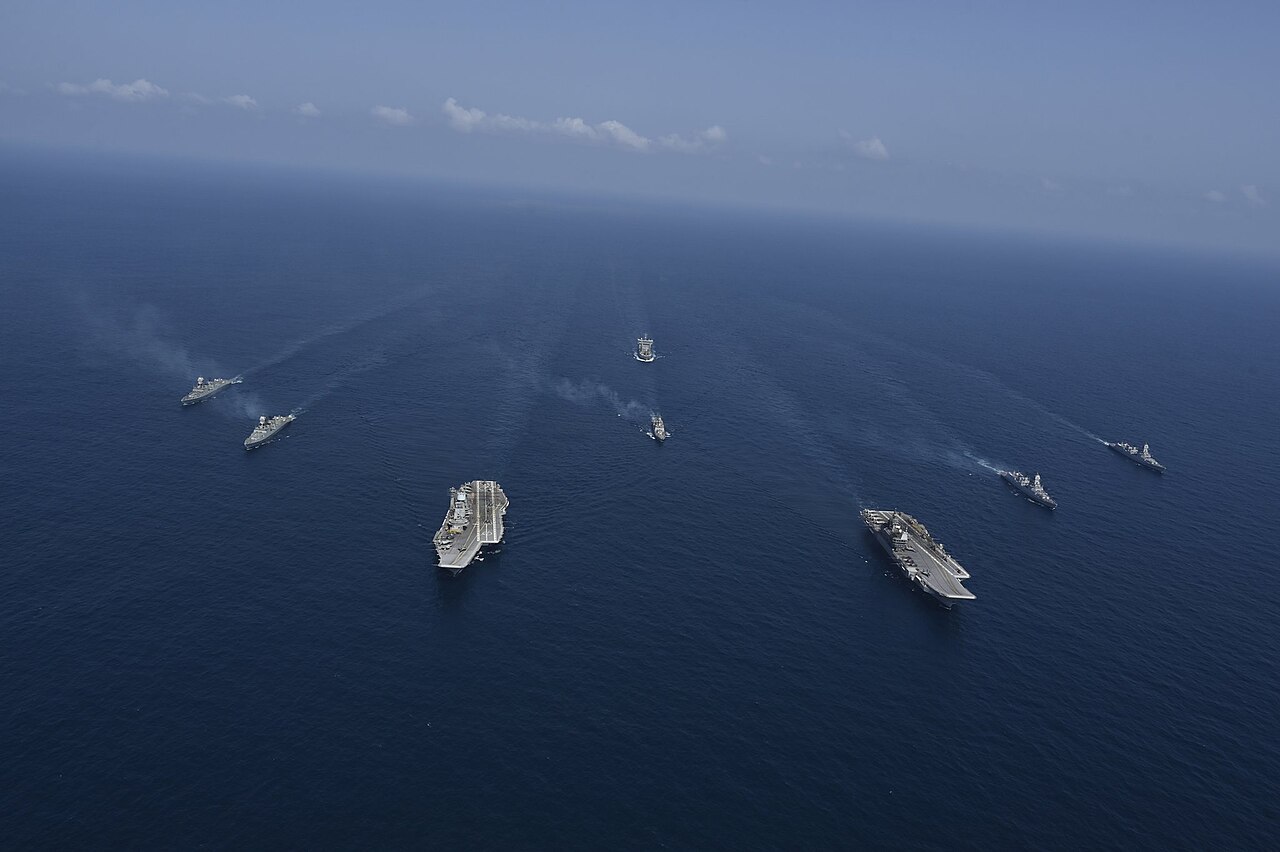
On the Gulf of Oman, just west of the Pakistani port China helped build at Gwadar, sits a harbour India has bet on for two decades. Chabahar is India's overland end-run around a closed border — a gateway to a region it cannot otherwise reach.
The geography problem
Pakistan blocks India's land route to Afghanistan and Central Asia, denying transit. Chabahar — Iran's only oceanic port — offers a way around: ship goods to the Iranian coast, then move them overland north, skipping Pakistan entirely.[1]
Connectivity as strategy, and patience as policy.
A corridor north
Chabahar is the southern anchor of the International North–South Transport Corridor (INSTC), a multimodal route linking India to Russia and Central Asia via Iran. For landlocked Afghanistan, it has been a lifeline for trade and humanitarian goods.
Walking a sanctions tightrope
The project sits at the intersection of India's ties with Iran, the United States and the Gulf. US sanctions on Iran have repeatedly slowed it; India has sought — and sometimes won — narrow waivers, arguing the port serves regional stability rather than confrontation.
The China comparison
Barely 150 km away lies Gwadar, the Chinese-backed port. The two harbours have become symbols of a wider contest: rival visions of who connects, and therefore influences, the crossroads of Eurasia.
Why it matters
Chabahar shows how India turns a hostile map into opportunity — reaching markets and partners by sea where land routes are shut. It is connectivity as strategy, and patience as policy.
Sources & further reading
- "Chabahar Port," Wikipedia.
All images via Wikimedia Commons, used under the licences shown on each file page.