Geopolitics · The Neighbourhood
India and Afghanistan: Strategy After the Taliban
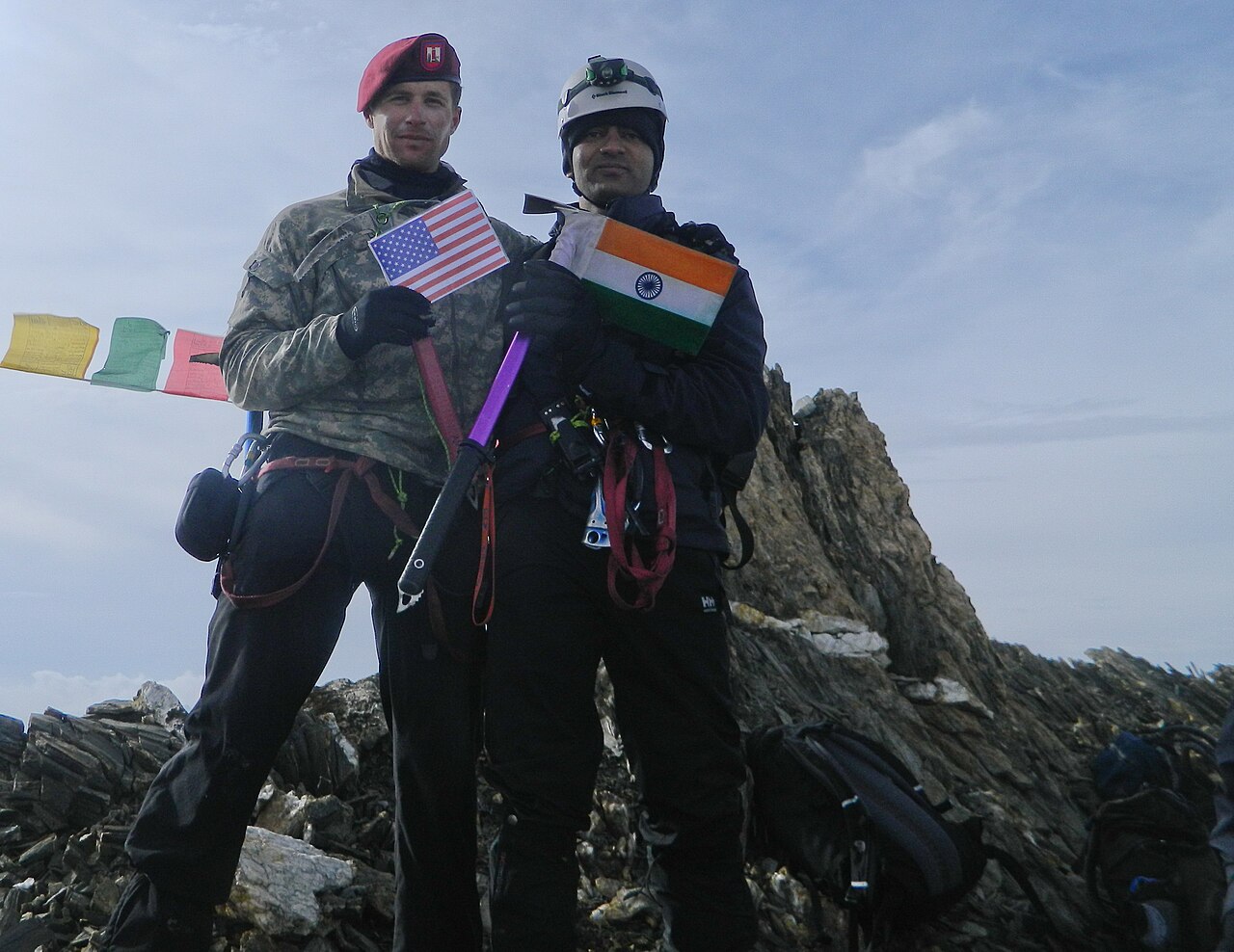
For twenty years, India built dams, roads, schools and a parliament in Afghanistan, earning deep goodwill among Afghans. Then, in 2021, the Taliban returned — and India's careful investment collided with a hard new reality.
Two decades of soft power
India spent some three billion dollars on Afghan development — the Salma Dam, the Zaranj–Delaram highway, the parliament building, scholarships and hospitals. It bought no bases, only goodwill, positioning India as a friend rather than an occupier.[1]
India bought no bases in Afghanistan, only goodwill — and goodwill is hard to evacuate.
The 2021 rupture
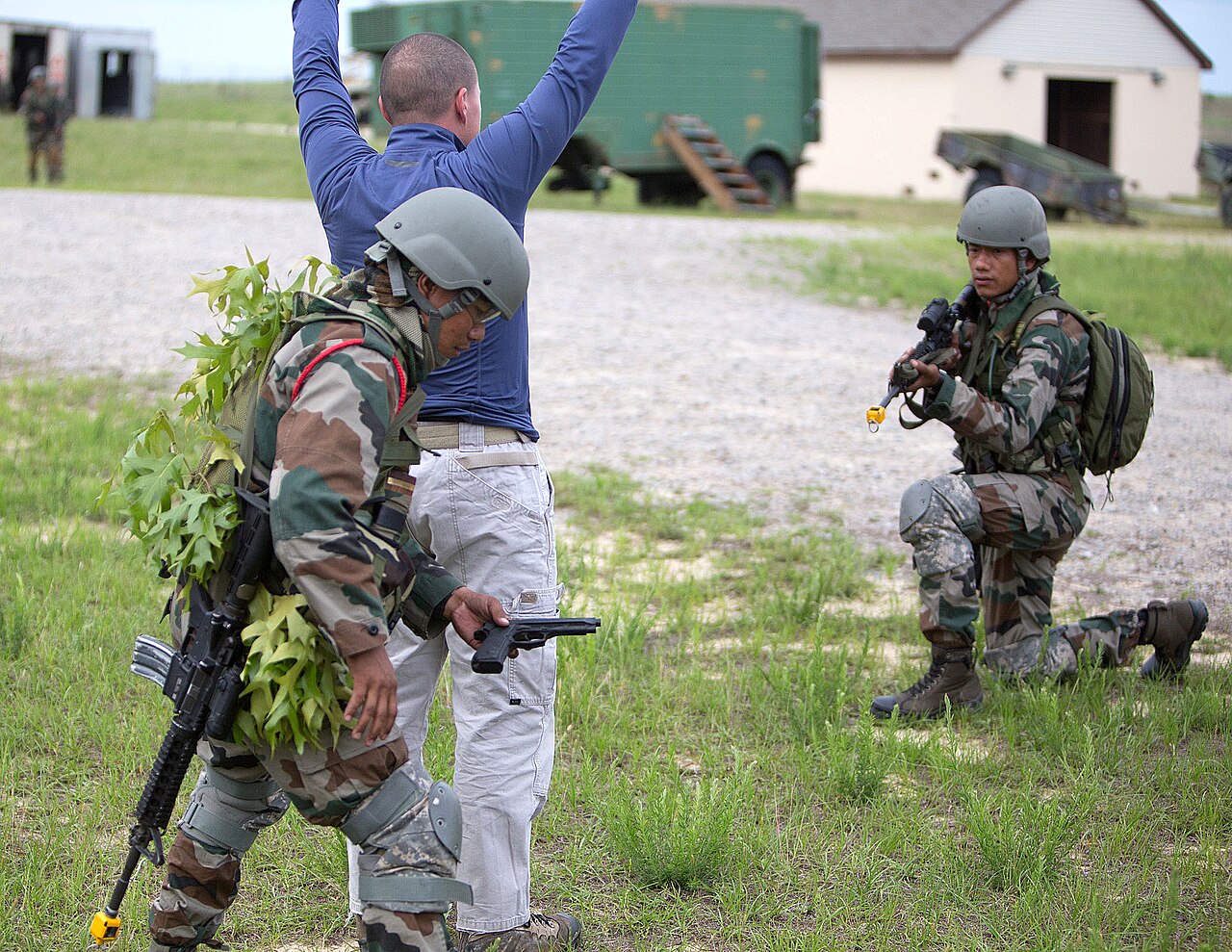
The Taliban's swift takeover after the US withdrawal forced India to close its embassy and evacuate. A regime backed by Pakistan now governed a country into which India had poured two decades of effort.
The geography trap
India shares no border with Afghanistan; Pakistan sits between them and denies transit. This is precisely why Chabahar matters — the Iranian port is India's only practical route to keep a foot in the door.
Cautious re-engagement
Rather than abandon its interests, India has kept limited, pragmatic contact — delivering humanitarian aid and watching warily. The goal is to deny the country becoming a base for anti-India militancy, even without a friendly government.
Why it matters
Afghanistan is the gateway to Central Asia and a barometer of Pakistan's reach. India's dilemma there — invested but unable to act freely — captures the limits that geography places on even a rising power.
Sources & further reading
- "Afghanistan–India relations," Wikipedia.
All images via Wikimedia Commons, used under the licences shown on each file page.