History · 1962
1962 and the Last Stand at Rezang La
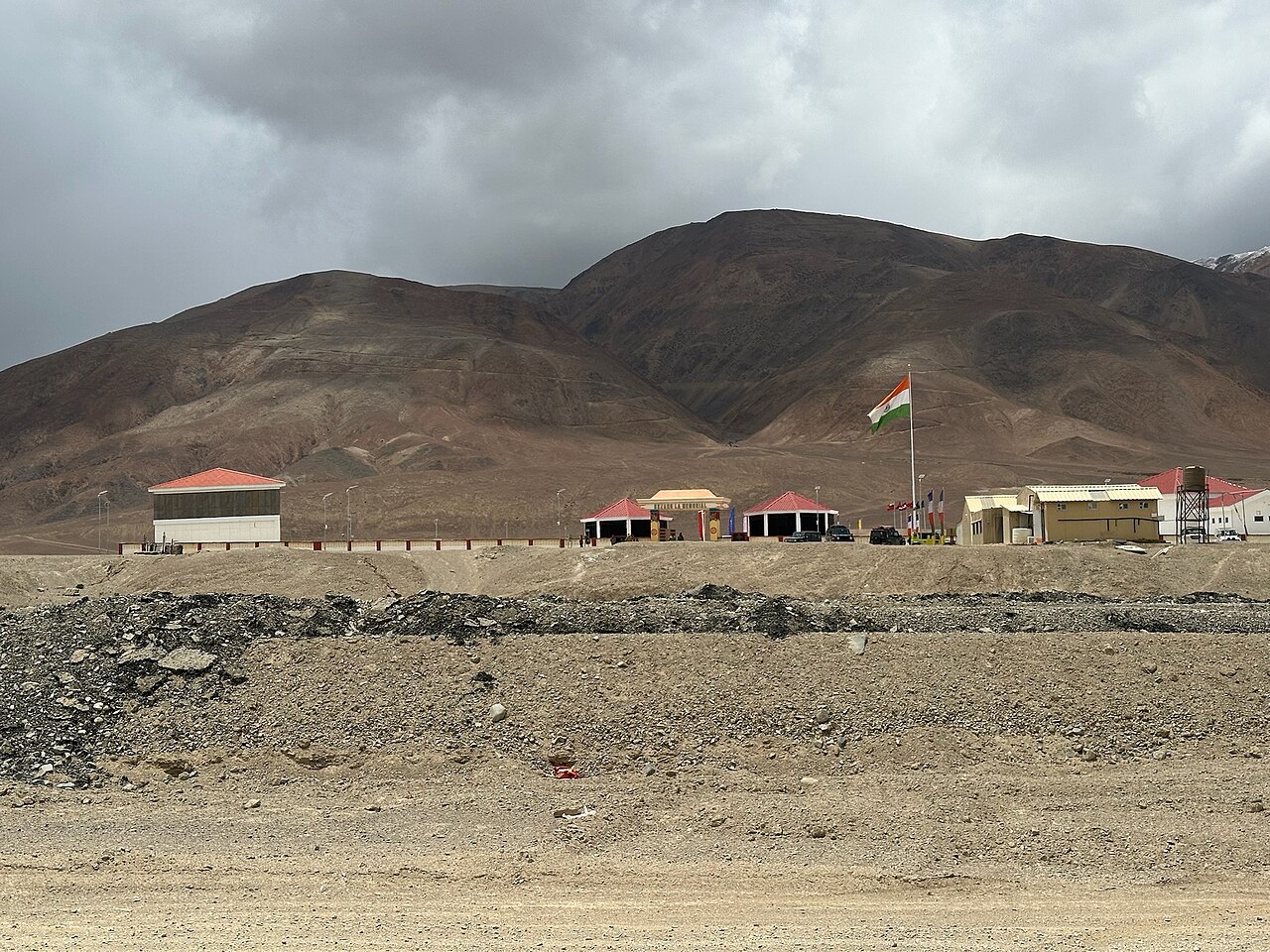
The Sino-Indian War of 1962 is remembered by India as a defeat — a hard, formative wound. And yet even within that loss, the army produced moments of courage so absolute that they have outlasted the shame of the war itself. The greatest of these was the last stand at Rezang La.
My poem The Silent Ridge speaks of men "barely men, yet unshaken they sit" on a cruel peak. Nowhere is that image truer than at Rezang La.
A war India was not ready for
In October–November 1962, China launched a large offensive across the Himalayan frontier. Indian troops — under-equipped, under-supplied, and fighting at extreme altitude without winter gear — were overwhelmed in many sectors. The war ended in a Chinese-declared ceasefire and lasting national soul-searching.[1]
But the failures of planning and politics should never erase the valour of the soldiers, who fought and died with remarkable courage in impossible conditions.
We are not soldiers; we are resolve, an oath unbroken, no matter the cost.
The men of Charlie Company
At Rezang La, a high pass in Ladakh at over 16,000 feet, around 120 men of the Charlie Company of the 13 Kumaon, led by Major Shaitan Singh, held an isolated position against waves of attacking Chinese troops in the bitter cold.[2]
Cut off from artillery support by the terrain, they fought with rifles, grenades and bayonets. Almost the entire company fought to the death rather than withdraw; only a handful survived. Major Shaitan Singh, mortally wounded, refused to be evacuated and died directing his men. He was awarded the Param Vir Chakra posthumously.[2]
Defeat, and the seeds of resolve
Rezang La gave India something it desperately needed even in defeat: proof that the failure of 1962 was not the failure of its soldiers. When the bodies were later recovered, many were found still at their posts, weapons in hand, surrounded by the enemy fallen.
That image — men who would not leave their ridge — helped steel a nation to rebuild its army, a resolve that bore fruit at Nathu La in 1967. The poppies of remembrance grow even in lost battles. Rezang La is where India learned that courage is not the same as victory, and is sometimes greater than it.
Sources & further reading
All images via Wikimedia Commons, used under the licences shown in each caption.