History · 1897
The Battle of Saragarhi: 21 Against an Army
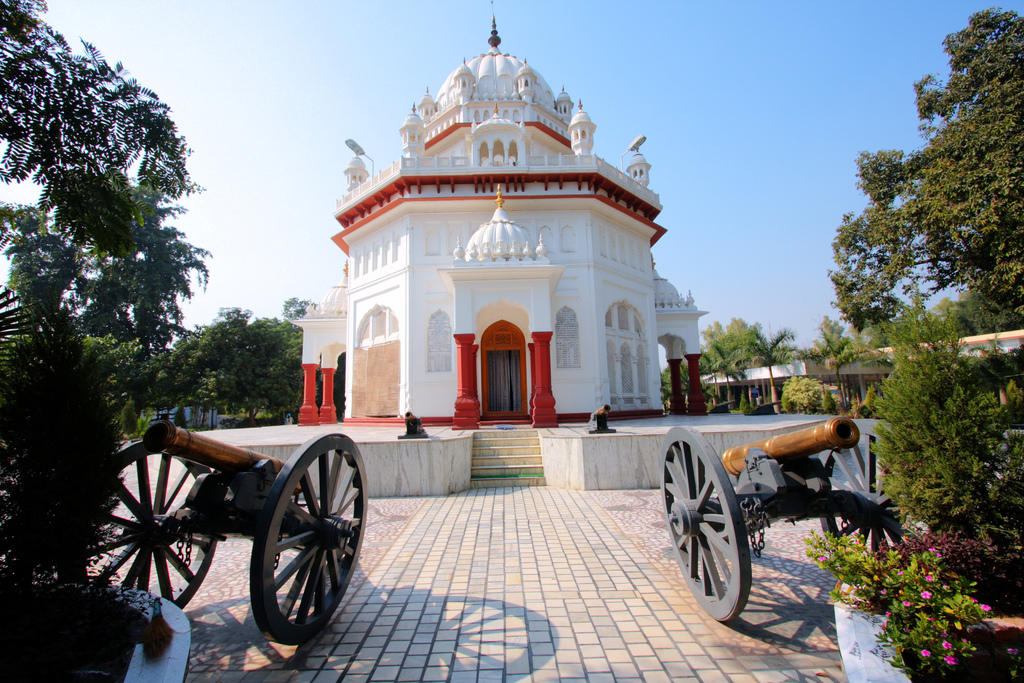
History records few stands as pure as Saragarhi. On 12 September 1897, twenty-one soldiers, knowing they could not win and would not be relieved in time, chose to fight to the last man rather than abandon their post. More than a century later, the world still studies their sacrifice.
It is the same ethos that runs through my book: the choice to hold the line not because victory is certain, but because duty is.
A signal post on the frontier
Saragarhi was a small army signalling post in the rugged North-West Frontier, manned by twenty-one soldiers of the 36th Sikhs of the British Indian Army, under Havildar Ishar Singh. It relayed communications between two larger forts.[1]
On 12 September 1897, an estimated force of around ten thousand Afghan tribesmen attacked the post. The twenty-one defenders were offered the chance to surrender. They refused.[1]
For strength is born not in retreat, but in battles where hearts refuse defeat.
The last man, the last round
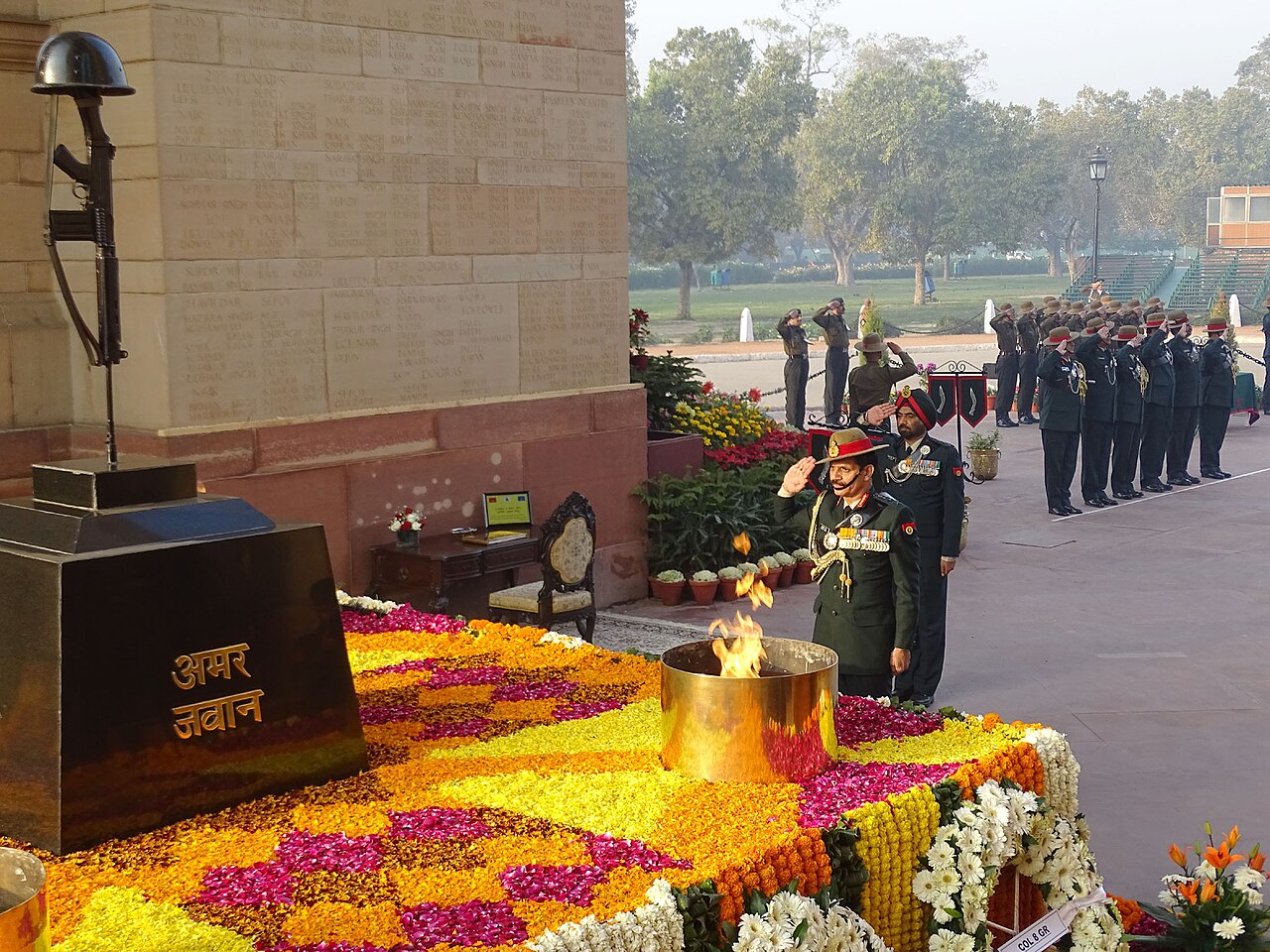
For hours, the twenty-one held against impossible odds, repelling wave after wave. A soldier named Gurmukh Singh, manning the heliograph, signalled the unfolding battle to the fort even as it became clear no relief could arrive in time. He is said to have kept transmitting until he asked for permission to take up his rifle, then fought to the end.[1]
Every one of the twenty-one was killed, but they inflicted enormous losses on the attackers and bought crucial time. All twenty-one were posthumously awarded the Indian Order of Merit, then the highest gallantry honour available to them — an unprecedented collective recognition.[1]
Why we remember Saragarhi
Saragarhi has become a byword for courage and discipline studied in military academies around the world, and it is commemorated by the Sikh Regiment every year as Saragarhi Day. It endures because it strips heroism down to its essence: not the glory of winning, but the integrity of not yielding.
The twenty-one had nothing to gain and everything to lose, and they chose their post over their lives. That choice — made by ordinary men, for an idea larger than themselves — is exactly the "unyielding spirit" my poems try, in their small way, to keep alive.
Sources & further reading
All images via Wikimedia Commons, used under the licences shown in each caption.