History · 1965
1965 and the Graveyard of Tanks
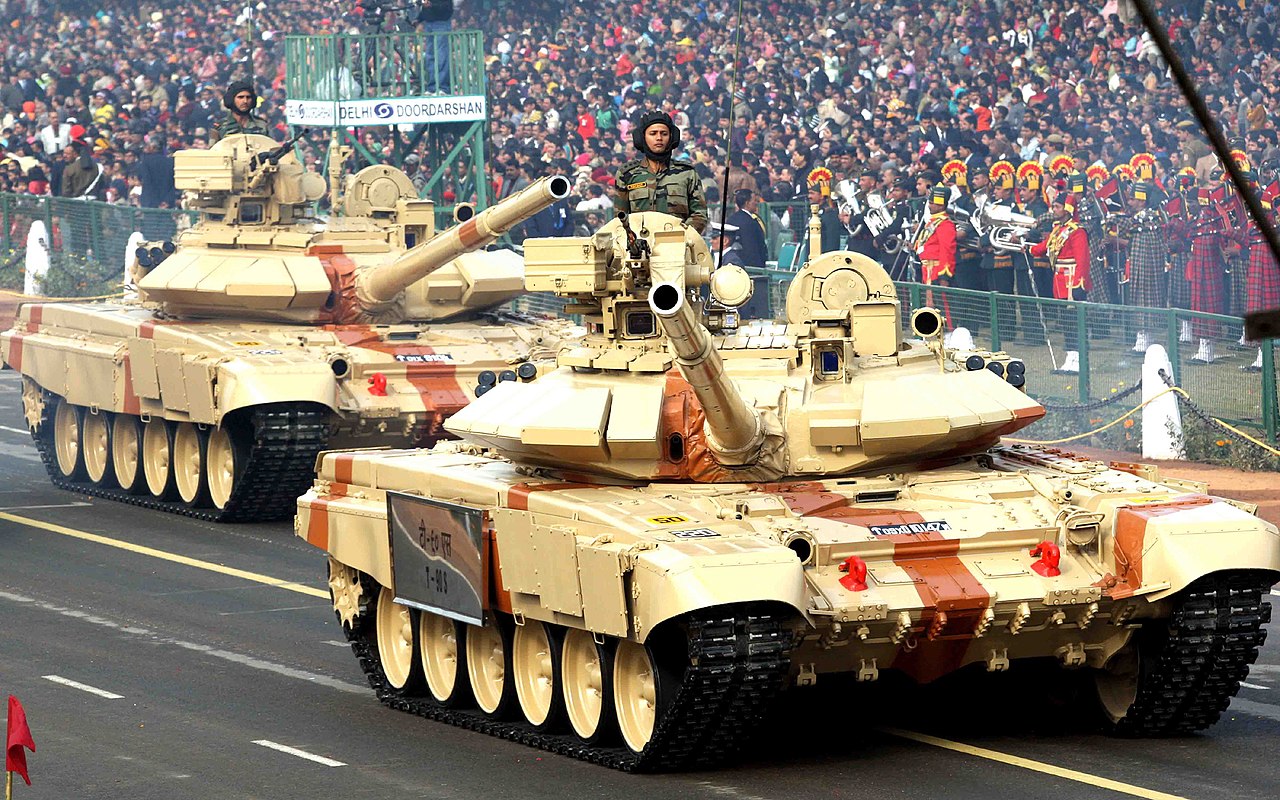
The war of 1965 between India and Pakistan rarely gets the attention of 1971 or Kargil, but it produced some of the most extraordinary feats of arms in Indian history — and none more famous than the Battle of Asal Uttar, where a determined defence turned an enemy armoured thrust into a graveyard of tanks.
A war of attrition
The 1965 war was fought largely through August and September of that year, across the plains of Punjab and the deserts of the west. It was a hard, grinding conflict of infantry and armour, ending in a UN-brokered ceasefire and, later, the Tashkent Declaration.[1]
It was during this war that Prime Minister Lal Bahadur Shastri gave the nation its enduring slogan — "Jai Jawan, Jai Kisan" ("Hail the soldier, hail the farmer") — binding the courage of the frontline to the labour of the fields.
The crack of bullets, the clash of steel, the mountain groans but does not yield.
The graveyard of Patton tanks
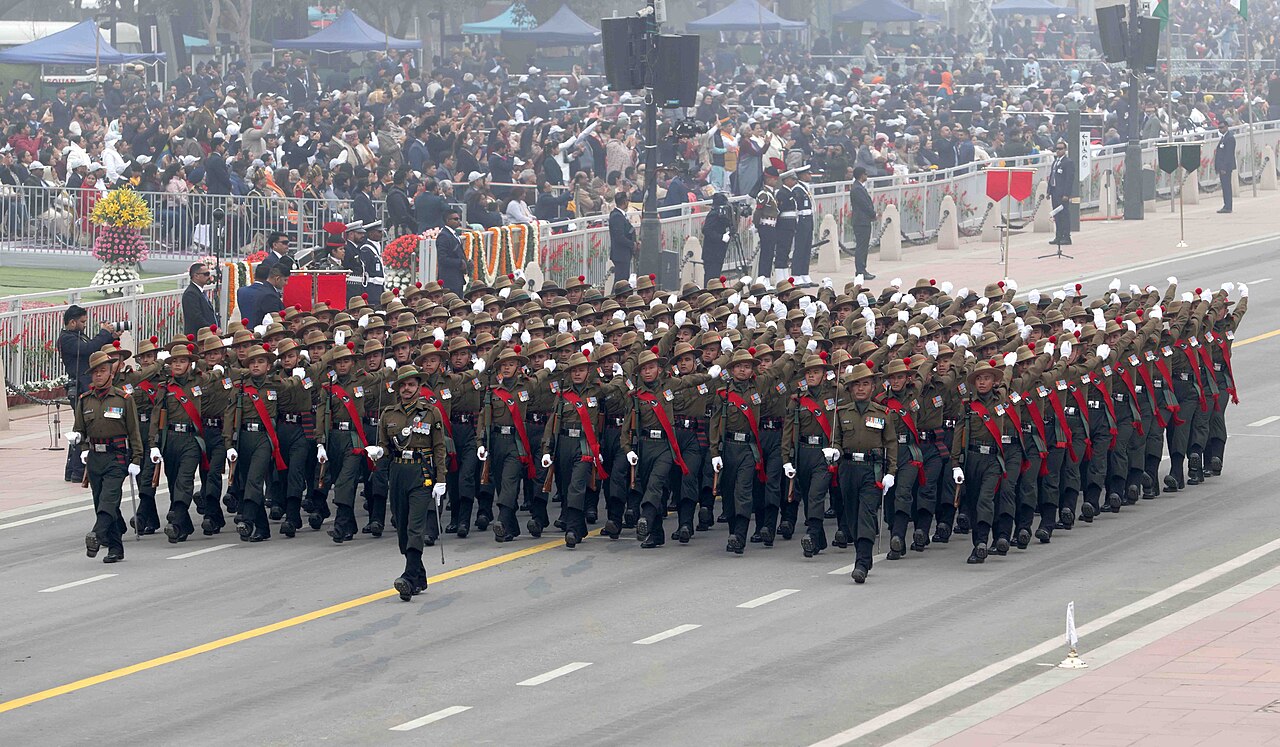
At Asal Uttar, near Khem Karan, Pakistan launched a major armoured offensive with its modern American-built Patton tanks. Indian defenders, fighting cleverly across flooded fields that bogged down the heavy armour, destroyed or captured so many tanks that the battlefield was nicknamed "Patton Nagar" — the graveyard of Pattons.[1]
It was here that Company Quartermaster Havildar Abdul Hamid of the 4th Grenadiers knocked out multiple enemy tanks with a recoilless gun mounted on a jeep before he was killed. He was awarded the Param Vir Chakra posthumously, and remains one of India's most cherished heroes.[2]
The quiet lesson of 1965
1965 ended without a clear victor on the map, but it restored Indian confidence after the trauma of 1962 and proved the resilience of the ordinary soldier against superior equipment. The Pattons were better tanks; the men of Asal Uttar were better defenders.
That is a lesson my book keeps circling back to: that wars are decided less by hardware than by the human will behind it. A jeep-mounted gun and an unbreakable resolve undid the pride of an armoured division. "Each inch of ground a soldier's test," and the soldier passed.
Sources & further reading
All images via Wikimedia Commons, used under the licences shown in each caption.