Tribute · Families
Veer Naris: The Families Who Also Serve
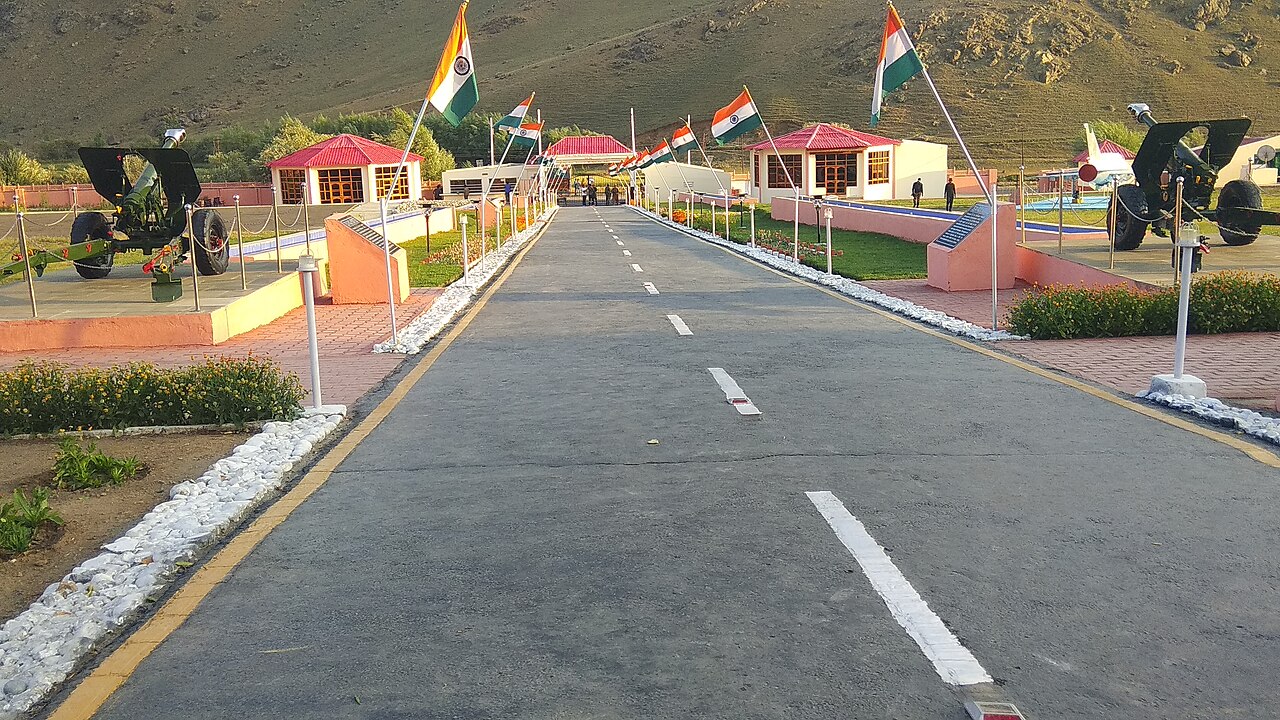
We speak of soldiers giving their lives, as if the cost is paid in a single instant on a battlefield. But there is a second, quieter sacrifice that lasts decades — borne not by the soldier, but by the family left behind. In India, the widow of a fallen soldier is honoured with a title that says everything: Veer Nari, "brave woman."
My poem The Weight of Sacrifice is written in a mother's voice, the morning two officers appear at her door. This article is for her, and for all the families who also serve.
The knock at the door
There is a moment every military family dreads without ever naming it: the unexpected knock, the uniformed figures who do not need to speak. My poem tries to hold that moment still: "A knock came at dawn, shattering the calm, a sound too heavy, a silent alarm." For the family, the war does not begin or end on a distant ridge. It arrives at home, and it stays.
He is not gone; he is the earth, the air, a part of the freedom he fought to spare.
A sacrifice measured in years
A soldier's courage is concentrated into the sharp edge of a single decision. A family's courage is spread thin across a lifetime — the empty chair at every festival, the child who grows up on stories, the parent who ages without the son who was meant to care for them. This is sacrifice without medals, endured in living rooms rather than on mountains.
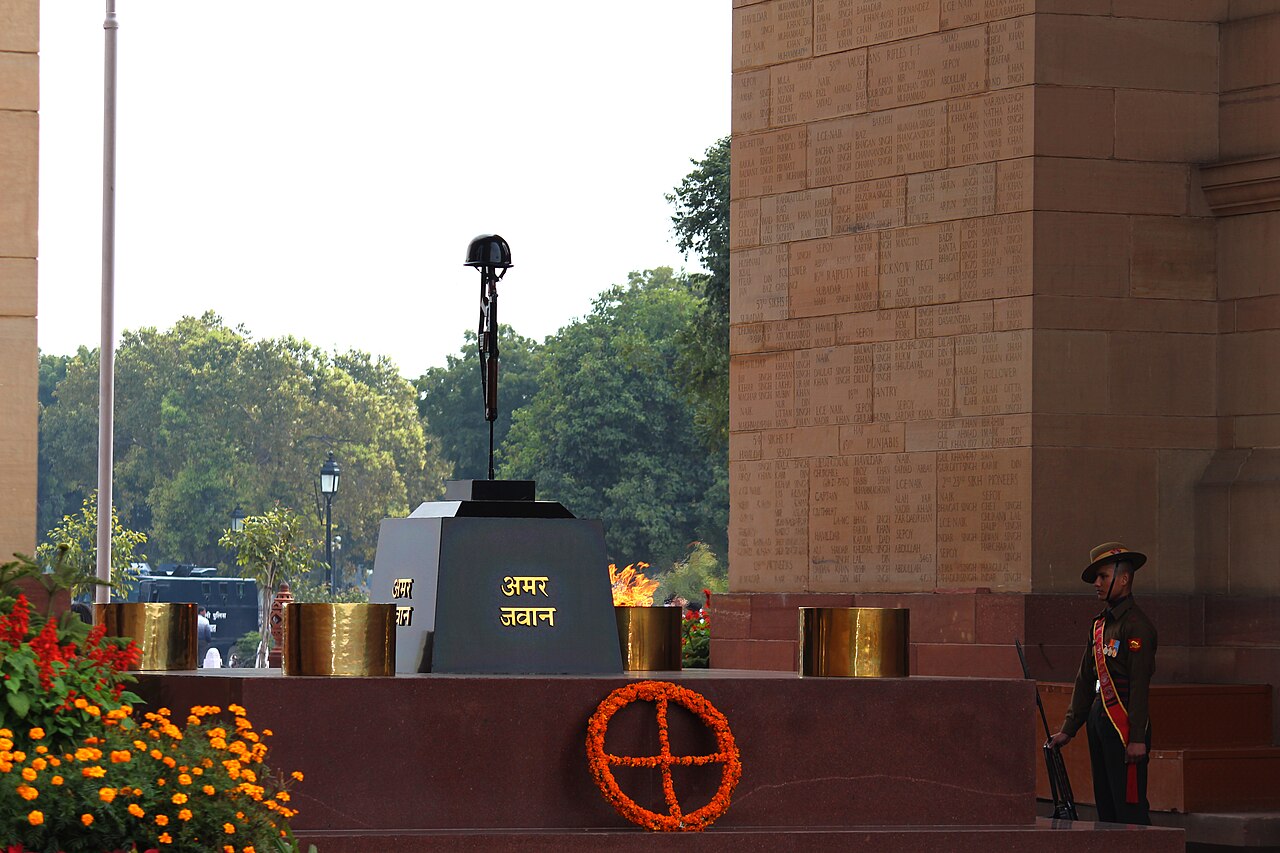
India recognises this through the honorific Veer Nari and through welfare measures — pensions, educational support for children, employment and housing assistance — administered by the armed forces and bodies such as the Kendriya Sainik Board.[1] These are necessary and good. But no scheme can fill the absence at the centre of a home.
Honouring the unseen frontline
When senior officers wrote to me about my book, more than one singled out The Weight of Sacrifice — and what moved them was that it spoke for the Veer Naris and the parents, the people history forgets to thank. As Major General P. R. Murli wrote, the poem "offers solidarity and remembrance to countless veer naris and parents."
To honour a soldier and forget their family is to tell only half the story of a sacrifice. The mother in my poem stands "broken, yet somehow whole," and chooses to carry her son's memory as a kind of light. The least a grateful nation can do is to make sure she never carries it alone.
Sources & further reading
- Kendriya Sainik Board & Department of Ex-Servicemen Welfare, Ministry of Defence — ksb.gov.in (welfare of Veer Naris and dependants).
- Press Information Bureau (PIB), Government of India — pib.gov.in.
All images via Wikimedia Commons, used under the licences shown in each caption.