Heroes · 1962
Subedar Joginder Singh: The Last Bayonet at Bum La
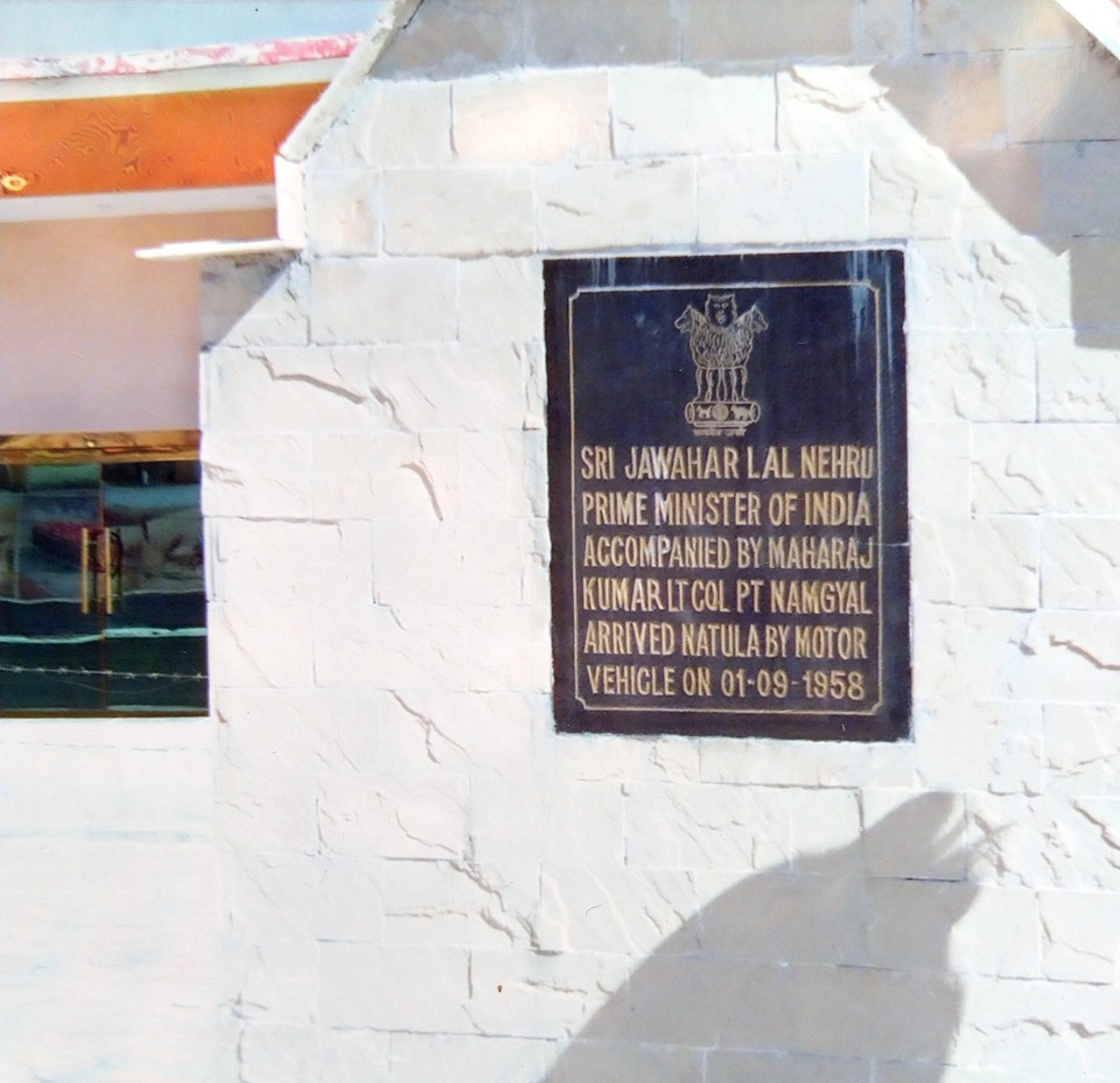
History tends to reward the wars we win. But some of the purest courage in any nation's story is found in the battles it lost — in the men who, with no hope of victory and no chance of relief, simply refused to yield. Subedar Joginder Singh, who fell in the 1962 war, is one of those men.
His stand sits beside the last stand at Rezang La as proof that the defeat of 1962 was not the defeat of the Indian soldier.
A platoon on the ridge
When China launched its offensive in October 1962, one of the first blows fell in the Tawang sector of the North-East Frontier. There, guarding a critical approach near Bum La, stood a platoon of the 1 Sikh, led by Subedar Joginder Singh — a small body of men holding a ridge against a vastly larger attacking force.[1]
On the morning of 23 October 1962, the Chinese assaulted the position in successive waves. Joginder Singh's platoon, dug in and disciplined, met each wave with steady, accurate fire, inflicting heavy casualties and throwing the attackers back again and again.[1]
The crack of bullets, the clash of steel, the mountain groans but does not yield.
When the ammunition ran out
Wave after wave came on. Joginder Singh was wounded, but refused to be evacuated, moving among his dwindling men, manning a machine gun himself, holding the position by sheer will. As casualties mounted and ammunition began to run out, the situation became desperate.[1]
When the bullets were nearly gone, Joginder Singh did the only thing left to a soldier determined not to surrender his ground: he led the survivors of his platoon in a bayonet charge into the advancing enemy. Outnumbered many times over, they fought hand to hand until almost all had fallen. Joginder Singh, grievously wounded, was overpowered and taken prisoner; he later died of his wounds in captivity.[1]
A Param Vir Chakra in defeat
The position was ultimately lost, as so much was lost in that bitter war. But the manner of its defence — a platoon holding against impossible odds, fighting with the bayonet when nothing else remained — became one of the few shining lights in a dark campaign. Subedar Joginder Singh was awarded the Param Vir Chakra posthumously, one of the first of the 1962 war.[2]
In a quiet act of respect, the Chinese later returned his ashes to India — an acknowledgement, perhaps, of valour that crossed the line between enemies.
Why the lost battles matter
It would be easy to leave the heroes of 1962 in the shadow of the war's failure — to remember only the strategic blunders and the retreat. But to do so would be to insult men like Joginder Singh, whose courage owed nothing to the mistakes made far above them.
The soldier does not choose the war or its planning. He chooses only how he will meet the enemy in front of him. Joginder Singh met them with discipline, then with defiance, and finally with the bayonet — giving everything for a ridge he could not ultimately hold.
That is the deepest theme of my whole collection: that the worth of a sacrifice does not depend on whether the battle was won. "The mountain groans but does not yield," says my poem of Kargil — but the line belongs just as truly to a Sikh subedar on a lost ridge in 1962, charging with cold steel into the dawn, so that the idea of an unbroken India might survive even a defeat.
Sources & further reading
- "Joginder Singh (soldier)," Wikipedia.
- Gallantry Awards portal, Government of India — gallantryawards.gov.in.
All images via Wikimedia Commons, used under the licences shown in each caption.