Geopolitics · Frontiers
The New Space Race: Geopolitics Beyond Earth
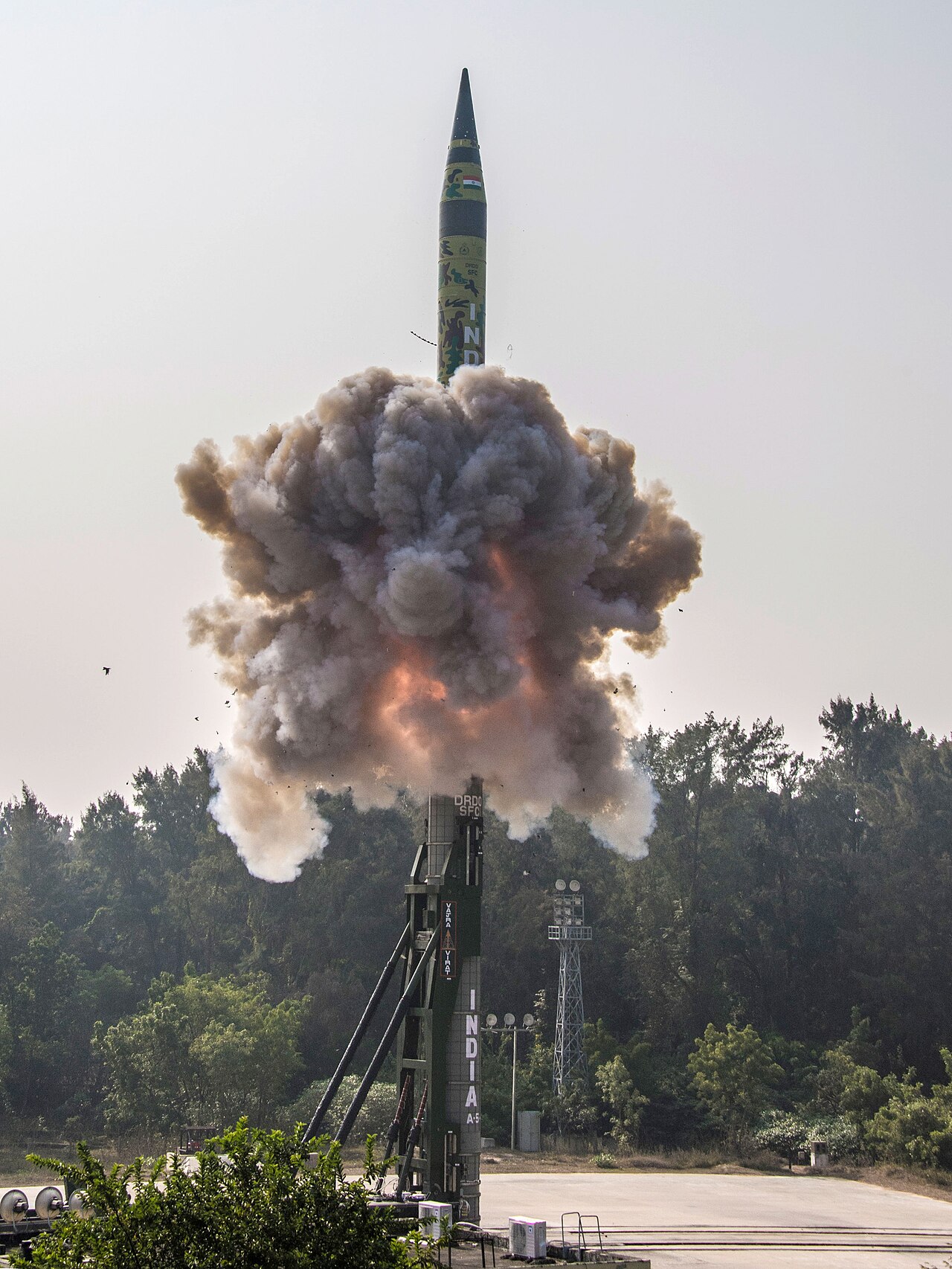
The contest for power has lifted off the planet. Space — once the preserve of two Cold War superpowers — is now crowded with nations and companies, and the orbit above us has become the newest theatre of geopolitics.
India's arrival
India's space agency, ISRO, has built a reputation for doing more with less: a Mars mission on a shoestring, a record-setting single launch of over a hundred satellites, and in 2023 a soft landing near the Moon's south pole with Chandrayaan-3 — a feat no nation had achieved.[1]
The contest for power has lifted off the planet.
The militarisation of orbit
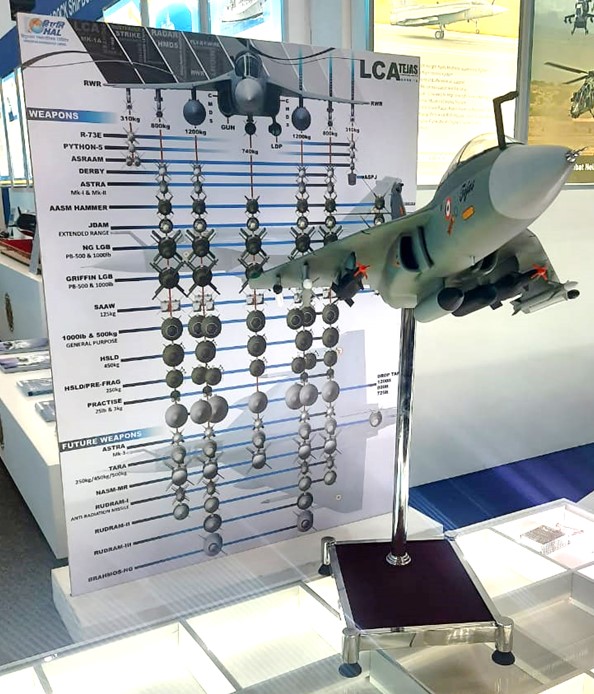
Satellites now guide weapons, communications and surveillance, making them targets. In 2019 India tested an anti-satellite weapon, joining a small club able to destroy a satellite — a controversial demonstration of deterrence in space.
The new race
The contest spans Moon landings, space stations, satellite mega-constellations, and the rise of private launch companies. The US-led Artemis accords and rival programmes are staking claims to the rules — and resources — of the final frontier.
Commerce and strategy
India has opened its space sector to private firms and aims for a major share of the global launch market. Space is now economic as well as strategic — a domain where commercial and military power reinforce each other.
Why it matters
From navigation to chips to climate monitoring, modern life depends on orbit. Whoever leads in space shapes the technologies of the century — and India intends to be among the leaders, not the led.
Sources & further reading
- "Indian Space Research Organisation," Wikipedia.
All images via Wikimedia Commons, used under the licences shown on each file page.