Geopolitics · Strategy
India's Nuclear Doctrine: Credible Minimum Deterrence
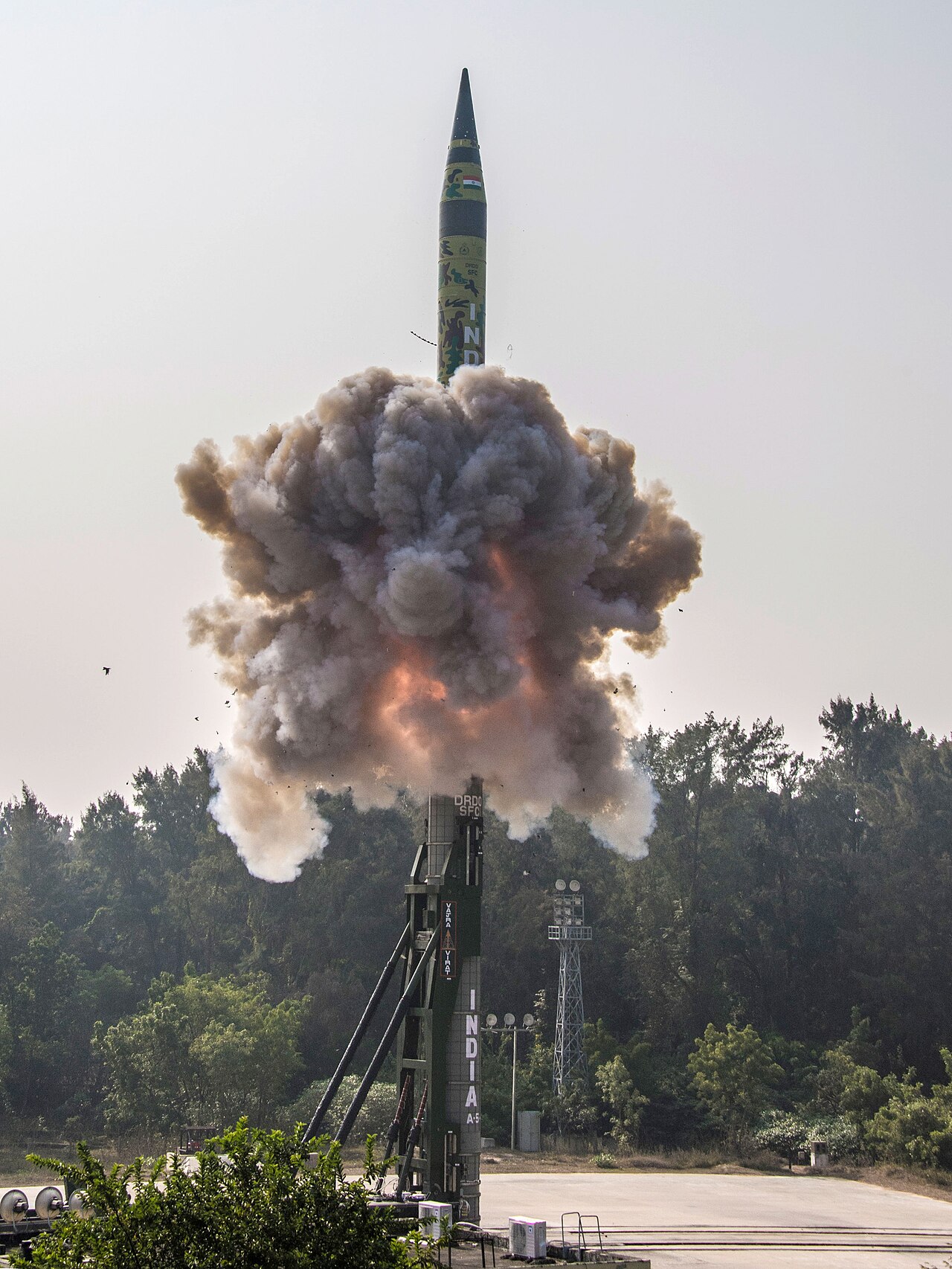
A nation that long campaigned against nuclear weapons became, in 1998, a declared nuclear power. How India reconciles that contradiction is written in its nuclear doctrine — a philosophy of deterrence built on restraint.
From Pokhran to power
India's first test came in 1974, styled 'peaceful.' In May 1998, the Pokhran-II tests made India an open nuclear-weapons state, drawing sanctions but ending ambiguity. Pakistan tested weeks later.[1]
Weapons meant to make war unthinkable, not to fight one.
No first use

India's declared doctrine rests on No First Use: nuclear weapons exist only to retaliate, never to strike first. Their purpose is to make war unthinkable, not to fight one — a posture of deterrence, not aggression.
Credible minimum deterrence
India seeks only enough capability to guarantee unacceptable retaliation — 'credible minimum deterrence' — rather than a vast arsenal. The promise of massive retaliation to any nuclear attack is meant to keep the threshold high.
The triad
To make retaliation credible, India has built a nuclear triad — weapons deliverable by land (the Agni missiles), air, and sea (ballistic-missile submarines) — ensuring that no first strike could disarm it.
Why it matters
India's doctrine is a study in strategic patience: power held in reserve, restraint as policy. It shapes the uneasy stability between India, Pakistan and China — three nuclear neighbours on one continent.
Sources & further reading
- "India and weapons of mass destruction," Wikipedia.
All images via Wikimedia Commons, used under the licences shown on each file page.