Current Affairs · Modernisation
The Indian Military in 2026: A Force Transformed
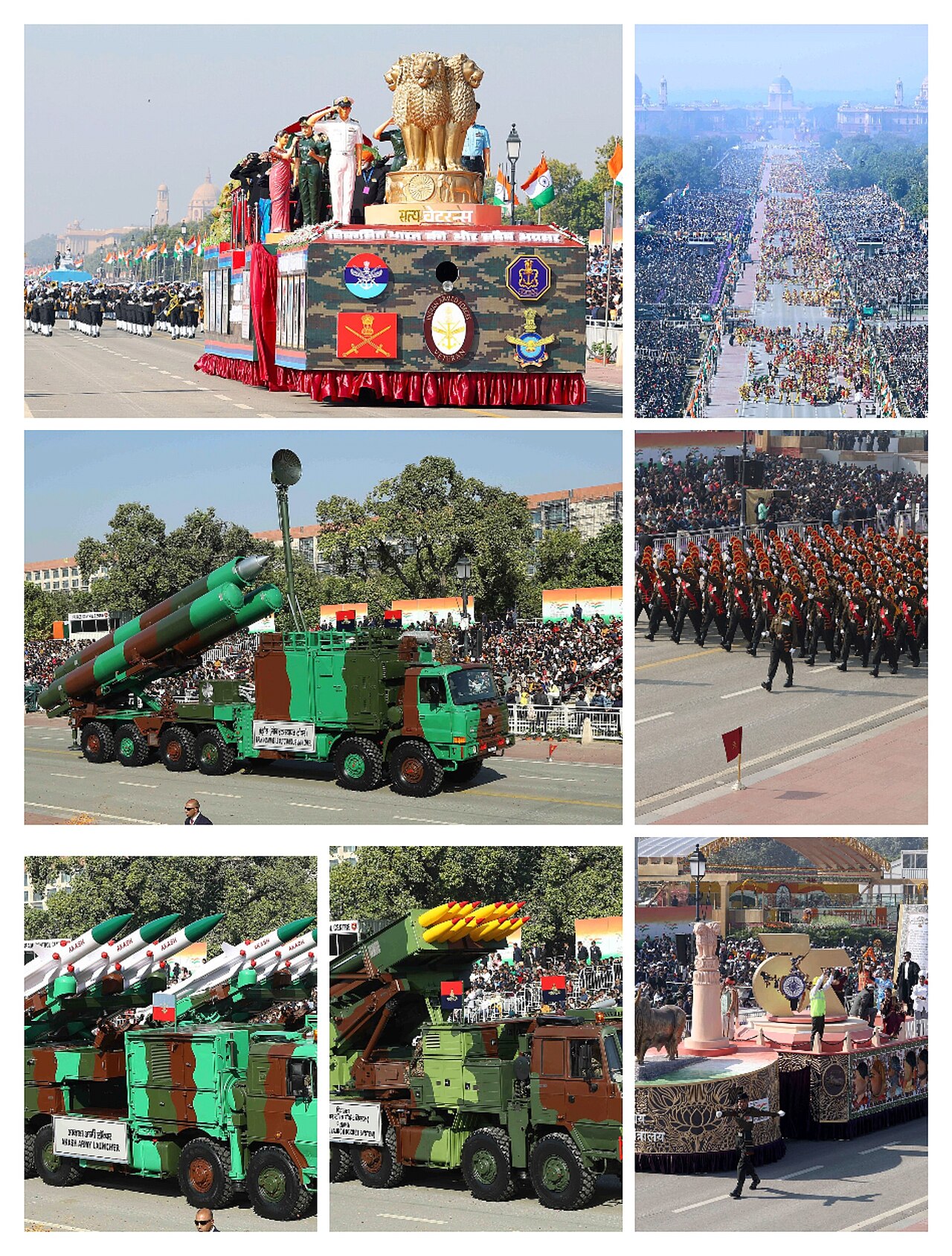
The Indian armed forces of today would be barely recognisable to a soldier of even a generation ago. Behind the timeless image of the jawan on the ridge, a vast modernisation is under way — in how the forces are organised, what they fight with, and how they imagine the wars of the future.
This is the living, evolving body that the courage in my poems serves. It is worth understanding where it stands.
Fighting as one: theatre commands
The single biggest structural reform is the long, difficult move toward integrated theatre commands — combining the Army, Navy and Air Force under unified commanders rather than running three separate command structures.[1] Driven by the office of the Chief of Defence Staff, this push for "jointness" aims to make the three services fight as a single, coordinated machine.
It is a profound cultural shift as much as an organisational one, asking proud and independent services to combine their strengths — and it is reshaping how India plans to defend itself across land, sea, air, space and cyberspace.
Each step we take, a vow renewed, to shield the land where dreams are pursued.
Made in India
The second great theme is self-reliance. Under the banner of Atmanirbhar Bharat, India is steadily replacing imported weapons with home-built ones — the Tejas fighter, the carrier INS Vikrant, the Agni and BrahMos missiles, artillery, drones and more.[2]
"Positive indigenisation lists" progressively bar the import of items India can make itself, and defence exports — once almost non-existent — are rising. The goal is strategic autonomy: the ability to defend the nation without being held hostage by a foreign supplier.
The new face of war
The character of warfare itself is changing, and India is adapting. Recent conflicts around the world — and India's own experience in operations like 2025 — have shown the growing importance of drones and counter-drone systems, precision stand-off weapons, electronic warfare, and the contest in the unseen domains of space and cyberspace.[1]
India has stood up dedicated agencies for space, cyber and special operations, demonstrated anti-satellite capability, and is investing in next-generation platforms — from the planned fifth-generation AMCA fighter to indigenous light tanks designed for high-altitude frontiers like Ladakh.
The frontier that never sleeps
All this modernisation is sharpened by hard strategic reality: two contested land borders, a vast maritime domain, and the lessons of recent flare-ups from Galwan to the operations of 2025. India's modernisation is not abstract; it is a direct response to threats that are very much alive.
Yet for all the new technology, the forces remain deeply rooted in their human core — the regimental traditions, the gallantry, the families who serve alongside. Modernisation changes the tools, not the soul.
The technology race
Perhaps the fastest-moving front of all is technological. The wars of the present have shown how cheap drones and loitering munitions can threaten even expensive tanks and ships, how electronic warfare can blind an enemy, and how data and artificial intelligence increasingly decide who sees and strikes first.[1]
India is investing heavily across this spectrum — indigenous drones and counter-drone systems, precision munitions, network-centric warfare, and the steady digitisation of the battlefield. The goal is a force that is not just bigger or better-armed, but faster at sensing, deciding and acting than any adversary it might face.
Eyes in space, shields in cyber
Modern conflict is also fought in domains with no physical territory at all. Recognising this, India has stood up dedicated tri-service agencies for space, cyber and special operations, and has demonstrated anti-satellite capability — proof that it can defend its assets in orbit, on which navigation, communications and surveillance increasingly depend.[1]
Securing the nation's satellites, networks and critical digital infrastructure is now as much a part of defence as guarding a mountain pass. The frontier has expanded upward into space and inward into the wires — and the armed forces are reorganising to hold those new frontiers too.
The human challenge
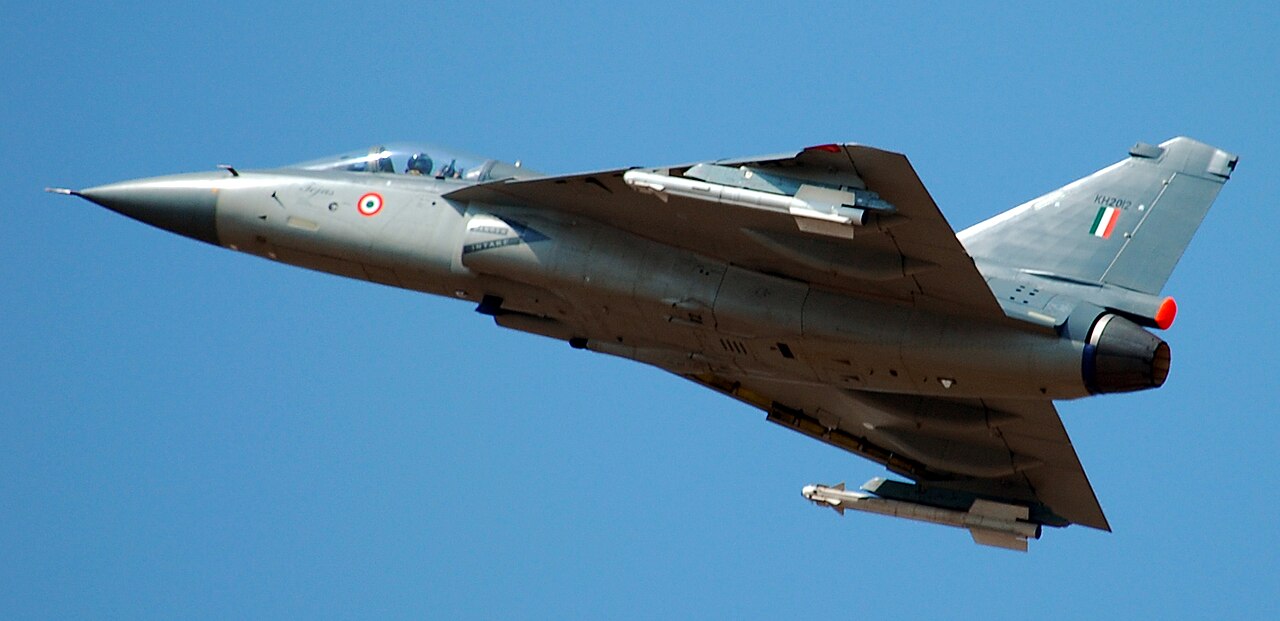
No transformation is without friction. Building integrated theatre commands means overcoming decades of single-service culture. The Agnipath scheme has reshaped recruitment and sparked real debate about retention, experience and morale. Modern equipment demands new skills, longer training, and careful balancing of imported and indigenous systems.[2]
These are not signs of failure but of a force genuinely in motion — wrestling, in public and in real time, with how to remain both rooted in its proud traditions and ready for a kind of war its founders never imagined.
The soldier of the future
Modernisation is not only about big platforms; it reaches all the way down to the individual infantryman. Under long-running efforts to create a "future soldier," the army is fielding new assault rifles — including modern imported designs and the Indo-Russian rifles now being manufactured on Indian soil — alongside better body armour, helmets, night-vision devices, and communications that link the foot soldier into the wider digital battlefield.[1]
The hard frontiers shape this too. The standoff in eastern Ladakh accelerated work on equipment built for extreme altitude, including a programme to develop an indigenous light tank agile enough for the thin air and narrow tracks of the high Himalaya. The lesson of Galwan and the long deployment that followed was blunt: the soldier on the roof of the world needs tools designed for that world, not hand-me-downs from the plains.
Two fronts, one demanding reality
India's modernisation is driven by an unforgiving strategic geography. To the north and east lies a long, contested and increasingly tense frontier with China; to the west, a hostile border with Pakistan that has flared repeatedly from Kargil to the operations of 2025. Planning for the possibility of pressure on two fronts at once is one of the central problems Indian defence planners must solve.[1]
This two-front reality is exactly why reforms like integrated theatre commands matter so much. A nation that may have to defend widely separated frontiers cannot afford three services planning in isolation; it needs to concentrate combat power quickly wherever the threat appears. The urgency of India's transformation is, in the end, a direct response to the company it keeps on the map.
The long road of money and procurement
None of this is cheap, and here lies one of modernisation's hardest knots. A large standing force carries enormous running costs — salaries and pensions for serving and retired personnel — which compete every year with the capital budget needed to actually buy new equipment.[2] Reforms such as the Agnipath recruitment model are, in part, attempts to manage this balance over the long term.
Procurement itself is a famously slow and complex process, and the drive for self-reliance adds another layer: the choice, again and again, between buying a proven foreign system now and investing in an indigenous one that builds capability for the future. Getting this balance right — fielding enough capability today without mortgaging tomorrow's industrial independence — is among the quiet, unglamorous battles that will decide how strong India's military really is in the decades ahead.
The nuclear backdrop
All of India's conventional modernisation takes place beneath a nuclear ceiling. As a declared nuclear-weapon state with a stated policy of "no first use" and "credible minimum deterrence," India maintains a triad of delivery systems — land-based Agni missiles, aircraft, and increasingly submarine-launched weapons — designed to ensure that no adversary could ever profit from a nuclear strike.[1] The point of this arsenal is to never be used: it exists to take the most catastrophic options off the table entirely.
This nuclear stability is precisely what makes conventional readiness matter so much. Because all-out war between nuclear neighbours is unthinkable, conflict tends to live in the grey zone — limited strikes, standoffs, terrorism, and skirmishes like Galwan. A modern, flexible, conventional force gives India the ability to respond proportionately in that grey zone without ever approaching the nuclear threshold.
Modernisation is for people, not machines
It is worth ending where modernisation should always begin: with the soldier. Every new system is ultimately meant to do one of two things — let the soldier win, or let the soldier come home. Better armour, better medical evacuation, better intelligence and precision all exist so that fewer young men and women end up as names on a memorial wall.
That is the human measure against which all the hardware should be judged. A transformed military is not an end in itself; it is a promise to the people who serve — and to the families who wait — that the nation will give them every possible advantage, and ask of them no more sacrifice than absolutely necessary. The machines change to keep that promise. The promise does not change.
The same oath, sharper than ever
It would be easy to be dazzled by the hardware — the jets, the missiles, the satellites. But the deepest truth of the 2026 military is the same as it has always been: that all of it exists to be wielded by people who have sworn to defend the nation, and who will, if called upon, pay any price to do so.
A drone is only as good as the values of the force that flies it. India's transformation is impressive precisely because it is married to an old and unbroken ethos of service — the same ethos that runs from Cariappa's founding standards to the Agniveer of today. The tools grow sharper every year. The oath behind them does not change.
Sources & further reading
- "Indian Armed Forces," Wikipedia.
- Press Information Bureau (PIB), Government of India — pib.gov.in.
All images via Wikimedia Commons, used under the licences shown in each caption.