Remembrance · 26 July
Kargil Vijay Diwas: Why We Remember 26 July
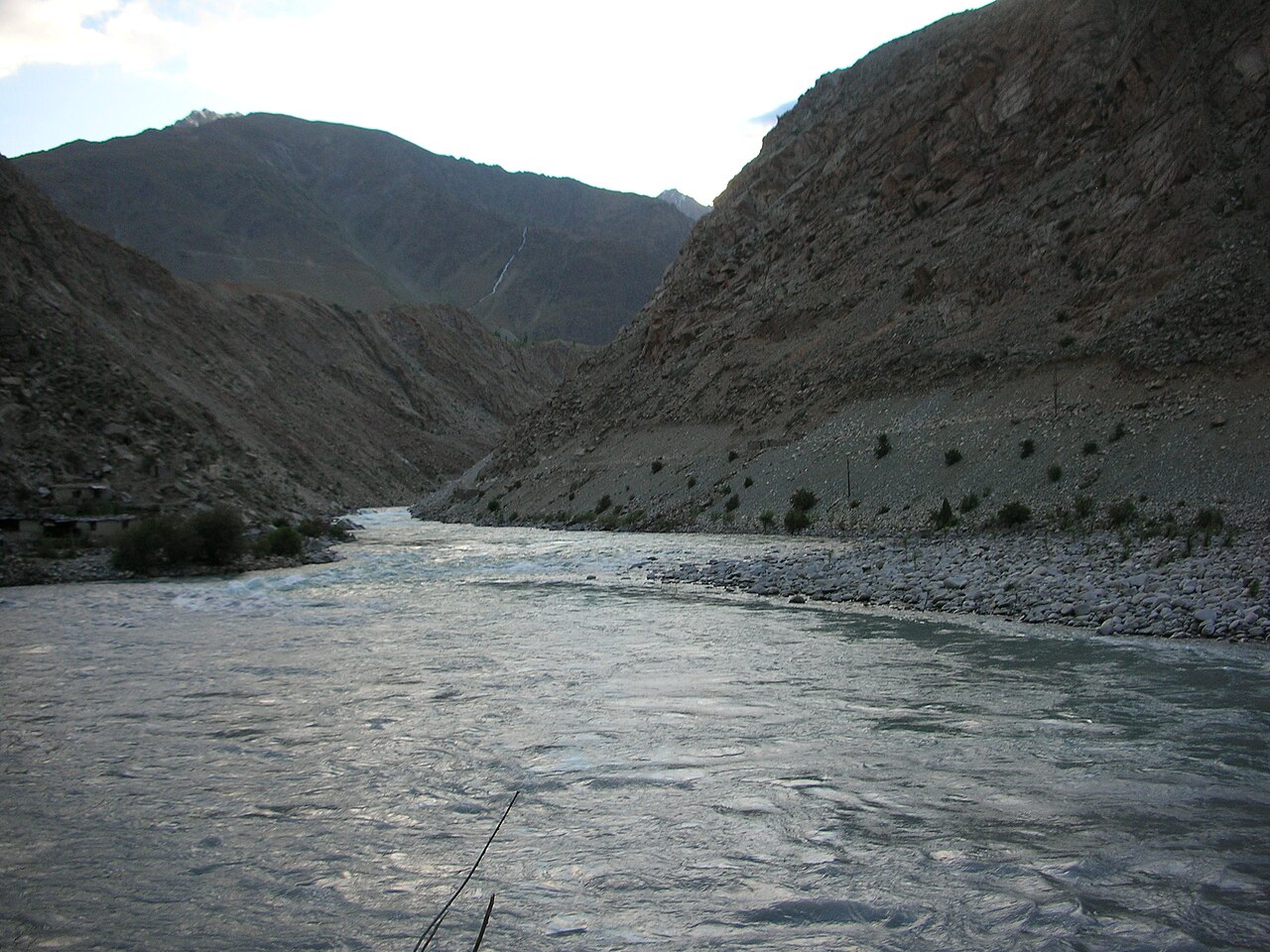
Some dates a nation must never let slip into ordinariness. 26 July is one of them. It is Kargil Vijay Diwas — the day, in 1999, that the last intruder was driven from Indian soil and the Kargil War was won.
My poem The Silence After Victory was written for exactly this day — the strange quiet that follows triumph, when the cost finally becomes visible.
The day victory was declared
After nearly three months of brutal high-altitude fighting through the summer of 1999, India declared the successful conclusion of Operation Vijay on 26 July. The heights had been retaken; the Line of Control restored. The victory had cost 527 Indian lives.[1]
No victory blooms without its thorn, for peace is a rose in conflict born.
How the day is observed
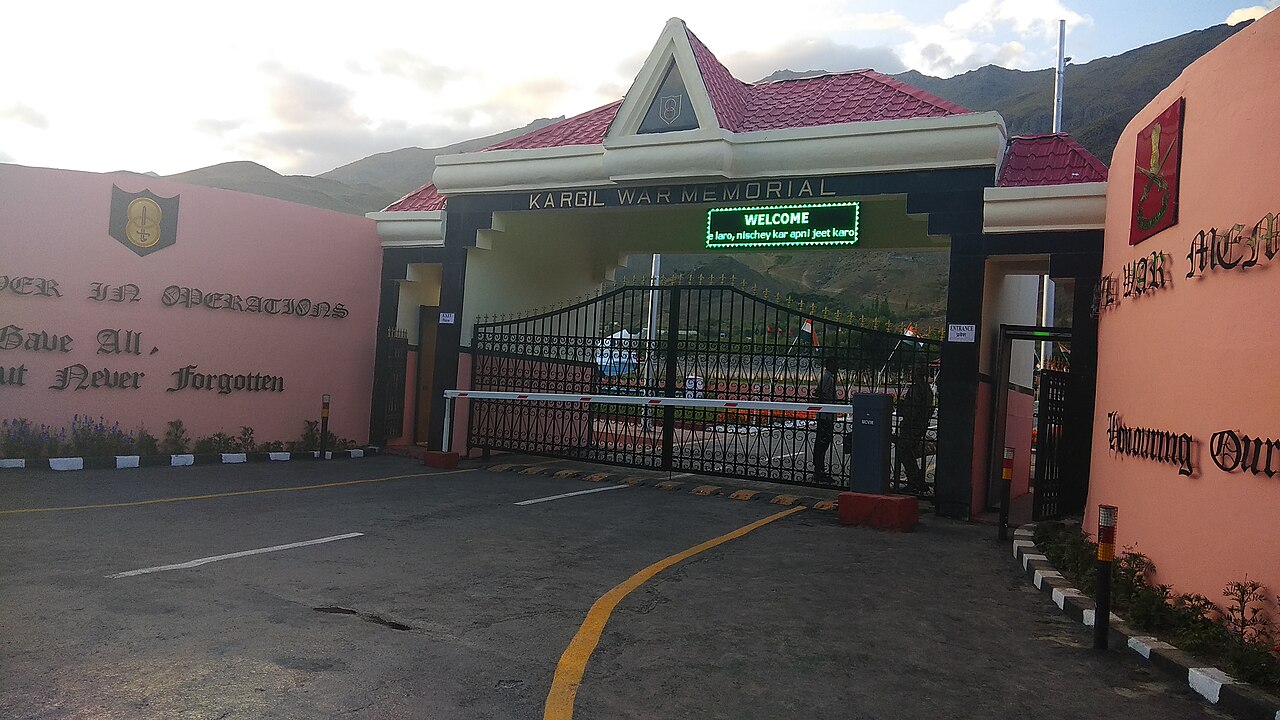
Each year, the nation pauses to remember. The principal observances are held at the Kargil War Memorial at Drass, beneath the very peaks that were reclaimed, where families, veterans and serving soldiers gather to honour the fallen.[1] Wreaths are laid; names are read; the young learn the stories of those barely older than themselves who did not return.
Remembrance as a duty
It is easy for a commemoration to harden into routine — a ceremony performed and forgotten by lunchtime. Vijay Diwas asks for something more active: that we actually remember, that we know a name or two, that we understand what 26 July cost.
My poem ends on the paradox at the heart of the day: "Victory rises, though shadows remain, a truth eternal through triumph and pain." Kargil Vijay Diwas is not a celebration of war. It is a promise — renewed every 26 July — that the men who climbed those peaks will not be allowed to fade. To keep that promise is the simplest, and the most important, patriotism of all.
Sources & further reading
- "Kargil War," Wikipedia.
- Press Information Bureau (PIB), Government of India — pib.gov.in.
All images via Wikimedia Commons, used under the licences shown in each caption.