Geopolitics · Global South
India and Africa: A Partnership of the Global South
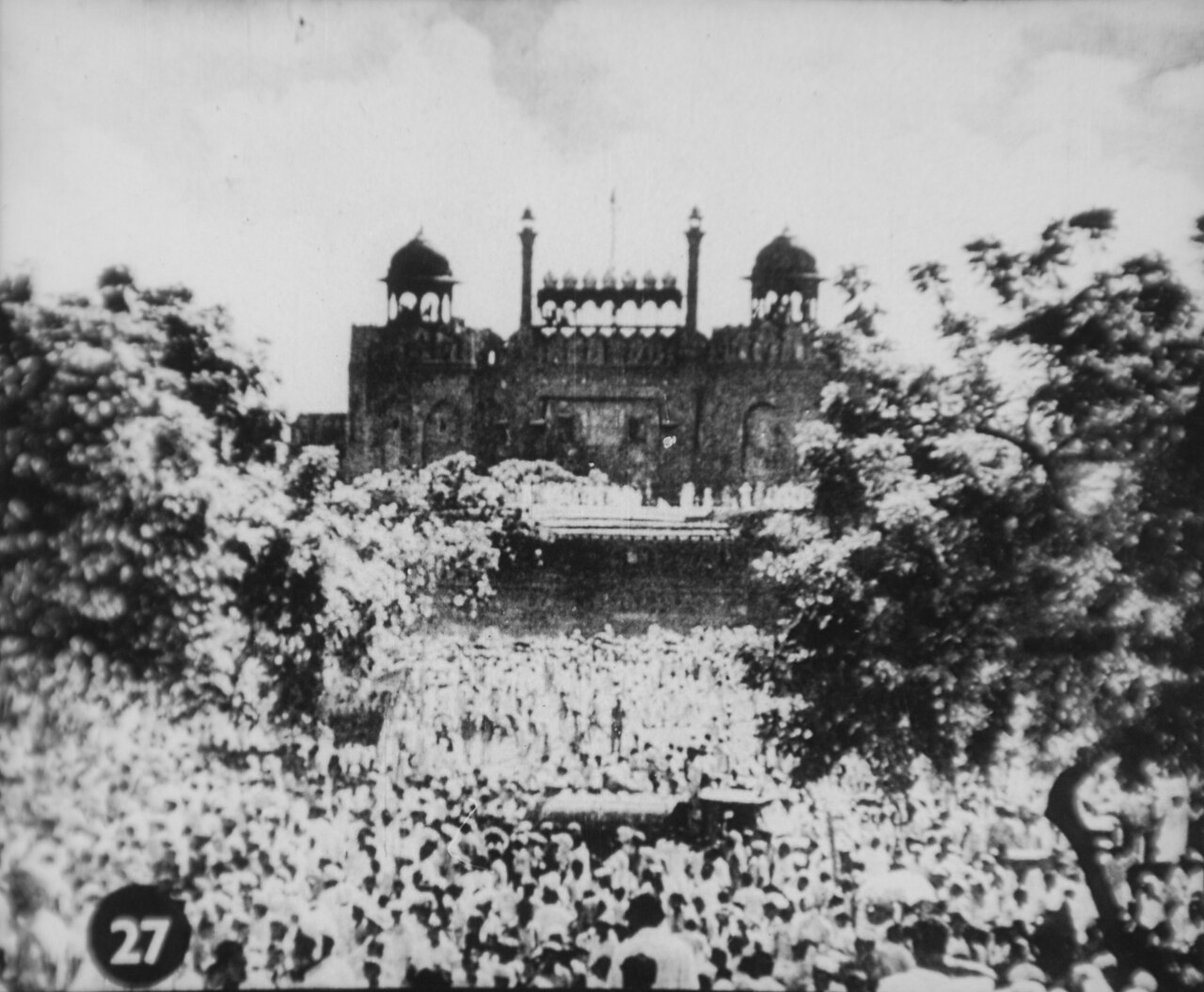
Across the western ocean from India lies a continent of more than a billion people, abundant resources and rising economies. India's engagement with Africa is old, deep, and increasingly strategic — a partnership it frames as solidarity among equals of the Global South.
An old connection
Indian traders crossed the ocean for centuries, and a large Indian-origin diaspora lives across eastern and southern Africa. Gandhi's politics were forged in South Africa. The ties predate the language of 'strategy' by generations.[1]
A partner that shares skills, not one that extracts resources.
Development, not dependency
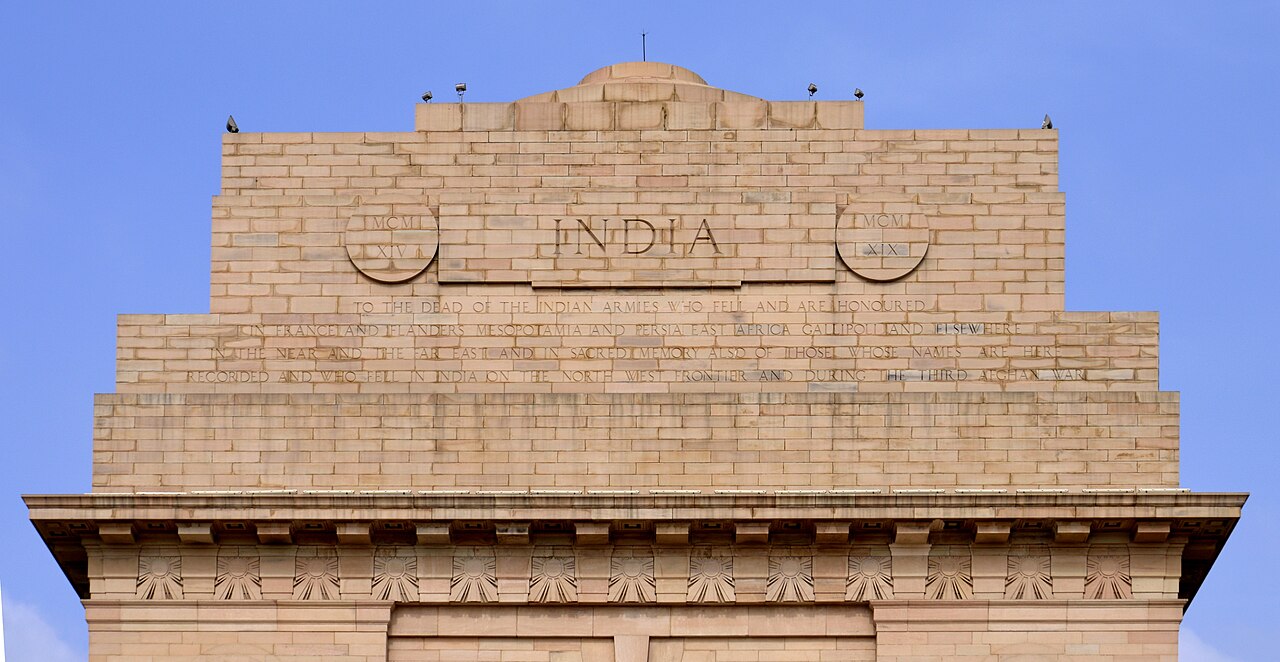
India's model leans on capacity-building: scholarships, training programmes, lines of credit, and pharmaceuticals — including vaccines during the pandemic. Delhi markets itself as a partner that shares skills rather than extracts resources.
The China contrast
China's footprint in Africa is larger and more infrastructure-heavy. India cannot match the scale, so it competes on terms: lower debt burdens, democratic affinity, diaspora links, and demand-driven projects rather than showpiece megaloans.
A voice, amplified
India's push to admit the African Union into the G20 was a deliberate bid for leadership of the South — aligning India's reform agenda with African aspirations.
Why it matters
Africa holds votes at the UN, critical minerals for the future economy, and the demographic weight of the century ahead. For India, partnership with Africa is both principle and a long game for global influence.
Sources & further reading
- "Africa–India relations," Wikipedia.
All images via Wikimedia Commons, used under the licences shown on each file page.