Geopolitics · Global Order
BRICS: and the Reshaping of the Global Order
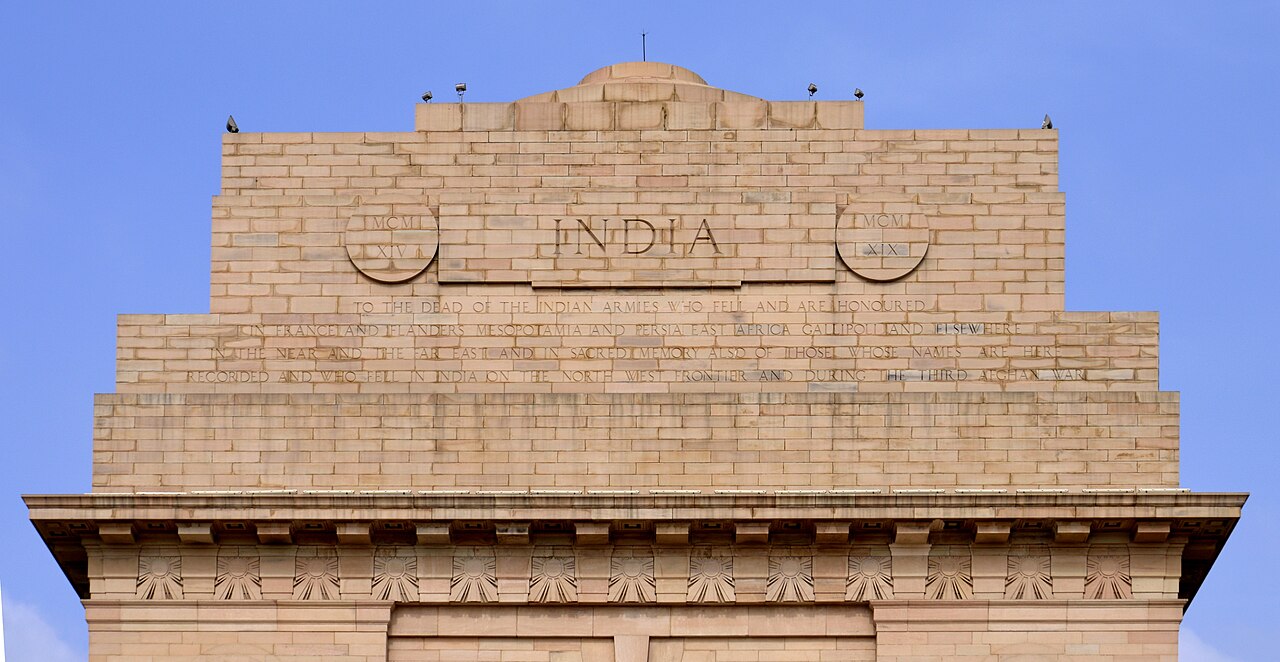
It began as a catchy label coined by an economist in 2001. Two decades later, BRICS has become a forum where some of the largest non-Western economies meet to argue for a different distribution of global power.
From acronym to institution
Brazil, Russia, India and China — later joined by South Africa — turned a market analyst's shorthand into a real grouping, holding summits, founding the New Development Bank, and speaking for a 'Global South' long under-represented in Western-led institutions.[1]
The post-1945 order is being renegotiated — and India intends to help write what comes next.
What it wants
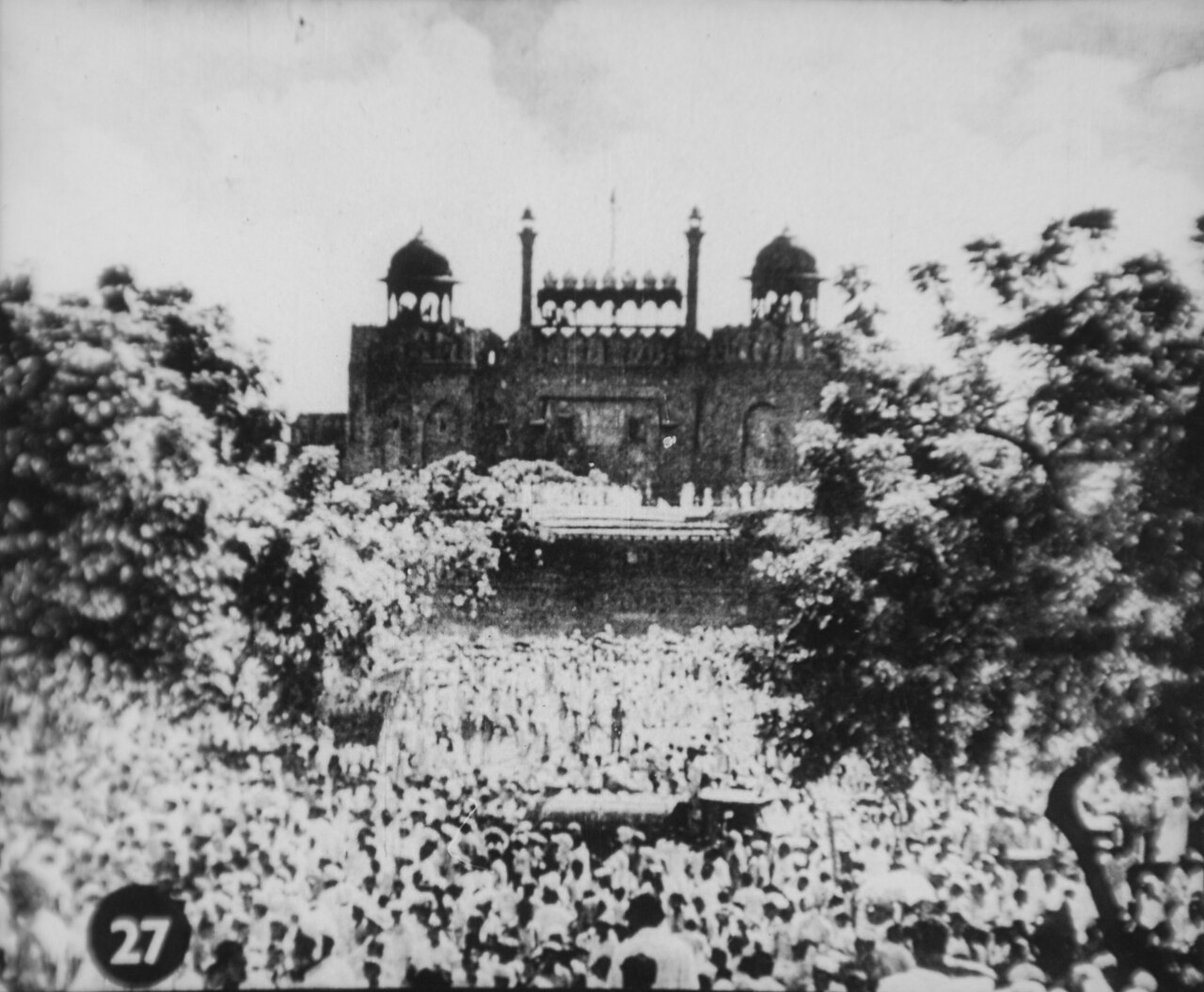
At its core, BRICS is about multipolarity: a world where the dollar, the IMF and the G7 are not the only centres of gravity. Members talk of trade in local currencies, reform of global institutions, and development finance with fewer political strings.
The expansion
A wave of new members — including Gulf and African states — has swollen the bloc's share of the world's population and energy. But size brings incoherence: a group spanning rivals and partners struggles to agree on much beyond the desire for a fairer hearing.
India's balancing role
India is a founding member, yet it resists letting BRICS become an anti-Western front led by China. Delhi uses it to court the Global South and to keep channels open with Russia — while simultaneously deepening ties with the United States. It is the same balancing act that defines Indian diplomacy everywhere.
Why it matters
BRICS may never become a coherent alliance. But its very existence signals a truth of the age: the post-1945 order is being renegotiated, and rising powers like India intend to have a say in writing the next chapter.
Sources & further reading
- "BRICS," Wikipedia.
All images via Wikimedia Commons, used under the licences shown on each file page.