History · Siachen
Siachen: The World's Highest Battlefield
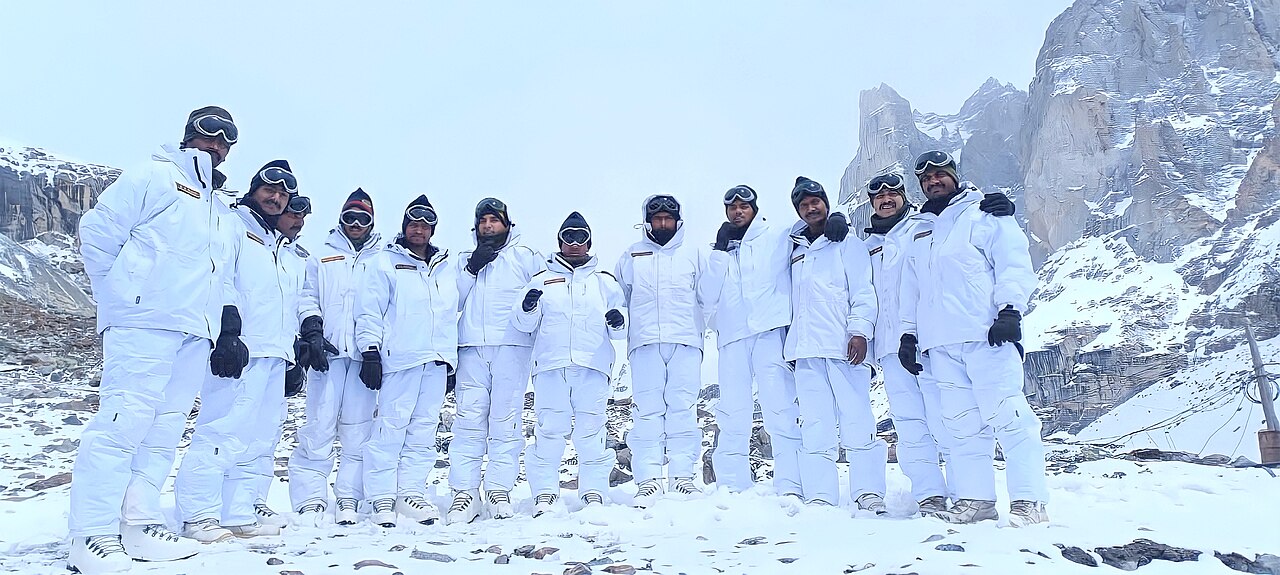
There is a place where soldiers fight an enemy more relentless than any army: the altitude, the cold, and the thin, merciless air. The Siachen Glacier, high in the eastern Karakoram, is the highest battlefield on the planet — and India has held it since 1984.
Across my collection, the Himalayan frontier appears again and again. The soldier of Unyielding Flames stands "though shadows loom and time stands still," and nowhere is that stillness more deadly than on Siachen.
Operation Meghdoot
On 13 April 1984, India launched Operation Meghdoot, airlifting soldiers onto the Siachen Glacier to pre-empt a Pakistani move to occupy its commanding heights. It was the first time in history that troops had been deployed to fight at such an altitude — much of the conflict takes place above 20,000 feet.[1]
At those heights, simply staying alive is a battle. Temperatures fall far below minus 30°C; avalanches, crevasses, frostbite and altitude sickness are constant threats. For decades, more soldiers on Siachen have died from the environment than from enemy fire.[1]
Above us the stars bear witness and glow, lighting the paths where our legends will grow.
The valour of the heights
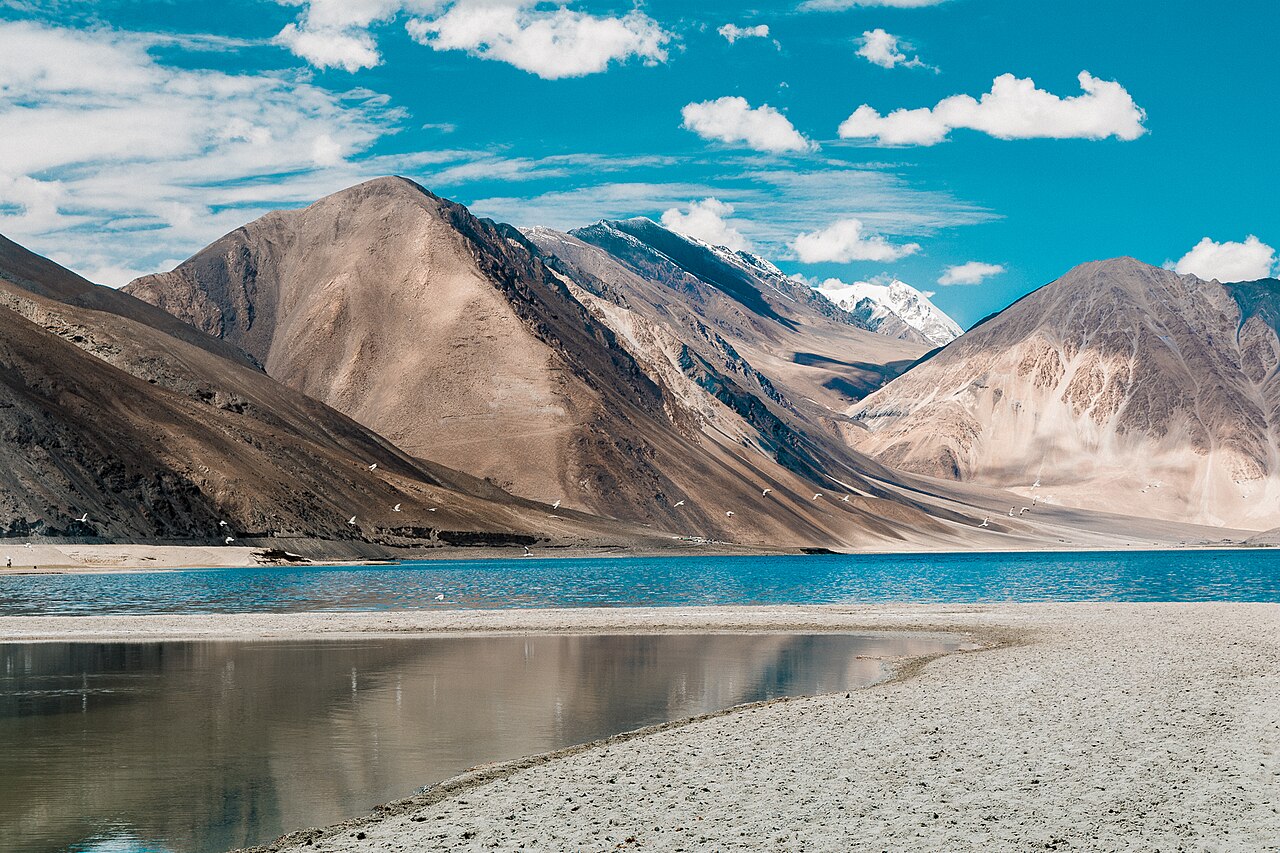
Siachen has produced extraordinary feats of courage. In 1987, Naib Subedar Bana Singh led an assault up a sheer ice wall to capture a critical Pakistani post at around 21,000 feet — later named Bana Top in his honour — and was awarded the Param Vir Chakra.[2]
But most of Siachen's heroism has no such citation. It is the daily, unglamorous endurance of young men holding a post of ice for months, cut off from the world, so that a line on the map stays where the nation needs it.
Why we hold it
People sometimes ask why any nation would fight over a glacier where nothing grows. The answer is strategic, but it is also something deeper — the same instinct that runs through my book: that a nation's soldiers will hold the hardest ground precisely because it is hard, because to abandon it would be to break faith with everyone who froze there before them.
The guardians of Siachen keep what the poem calls an "eternal watch," in a place that asks everything and gives almost nothing back. When we are warm, we owe them a thought. They are standing, right now, on the roof of the world.
Sources & further reading
All images via Wikimedia Commons, used under the licences shown in each caption.