History · 26/11
26/11 and the NSG: The Night Mumbai Did Not Fall
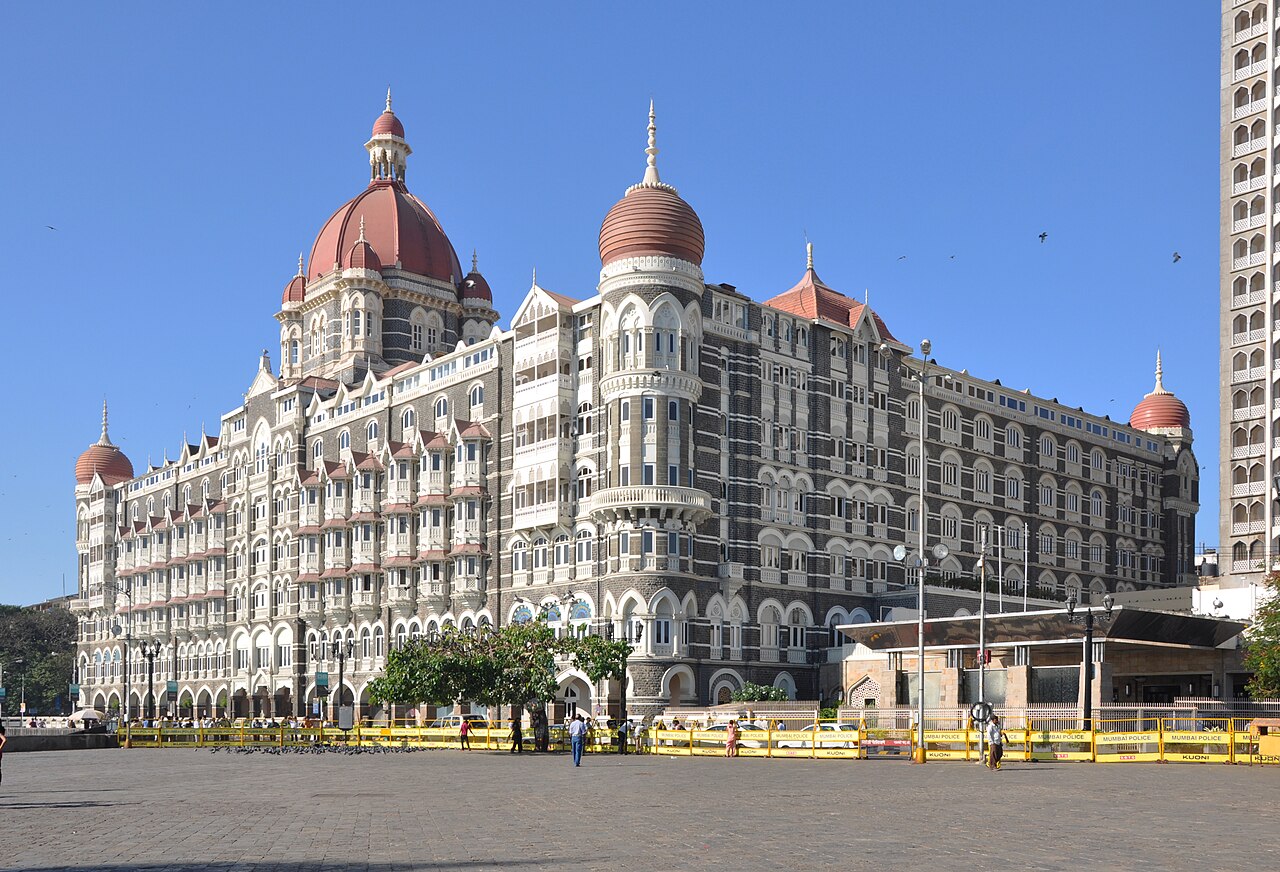
On the night of 26 November 2008, ten heavily armed terrorists came ashore in Mumbai and turned India's largest city into a battlefield. For nearly sixty hours, they held hotels, a railway station, a hospital and a Jewish centre, killing around 166 people.[1] The story of how the siege ended is the story of the men who ran toward the gunfire.
My poem The Fire Within is written in the voice of one of those men — a commando storming the terror-struck halls: "They came as shadows, dark and vile, but I bring the storm, fury in every mile."
Operation Black Tornado
As the police fought to contain the chaos, India's elite counter-terror force — the National Security Guard (NSG), the "Black Cats" — was flown in to clear the occupied buildings in what was codenamed Operation Black Tornado.[1] Room by room, floor by floor, through fire and hostages, the commandos retook the Taj Mahal Palace hotel, the Oberoi-Trident and Nariman House.
No god nor devil can halt my hand, I fight for justice, for my sacred land.
Major Sandeep Unnikrishnan
Among the heroes of those hours was Major Sandeep Unnikrishnan of the NSG. Leading the operation at the Taj, he was killed while rescuing trapped hostages and going to the aid of an injured commando. He was twenty-eight. For his valour he was awarded the Ashok Chakra — India's highest peacetime gallantry award — posthumously.[2]
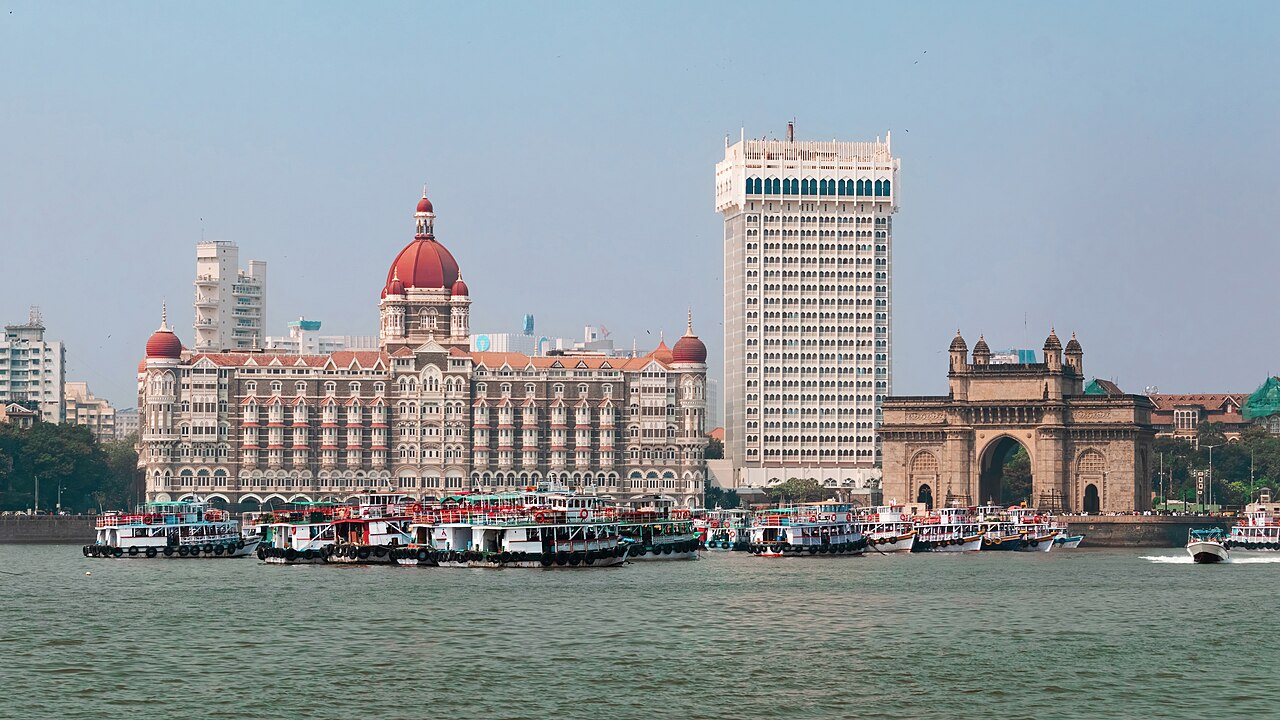
Other personnel, including police officers and the NSG's Havildar Gajender Singh, also fell. They died, as the poem puts it, "for the innocent lives they dared to trade."
The reckoning and the resolve
26/11 changed India. It exposed gaps in coastal security and emergency response, and led to lasting reforms — regional NSG hubs, a coastal command, better inter-agency coordination. But beyond policy, it left the country with an image it has never let go of: ordinary men in black, walking into a building everyone else was fleeing.
The Fire Within is an angry poem, deliberately so, because 26/11 was a crime against the defenceless and the response demanded fury harnessed to discipline. "This isn't a fight, it's a war they chose," the commando says, "and here, their reign of terror meets its close." Mumbai bled that night. But because of these men, it did not fall.
Sources & further reading
All images via Wikimedia Commons, used under the licences shown in each caption.