History · 2020
Galwan, 2020: The Night on the Roof of the World
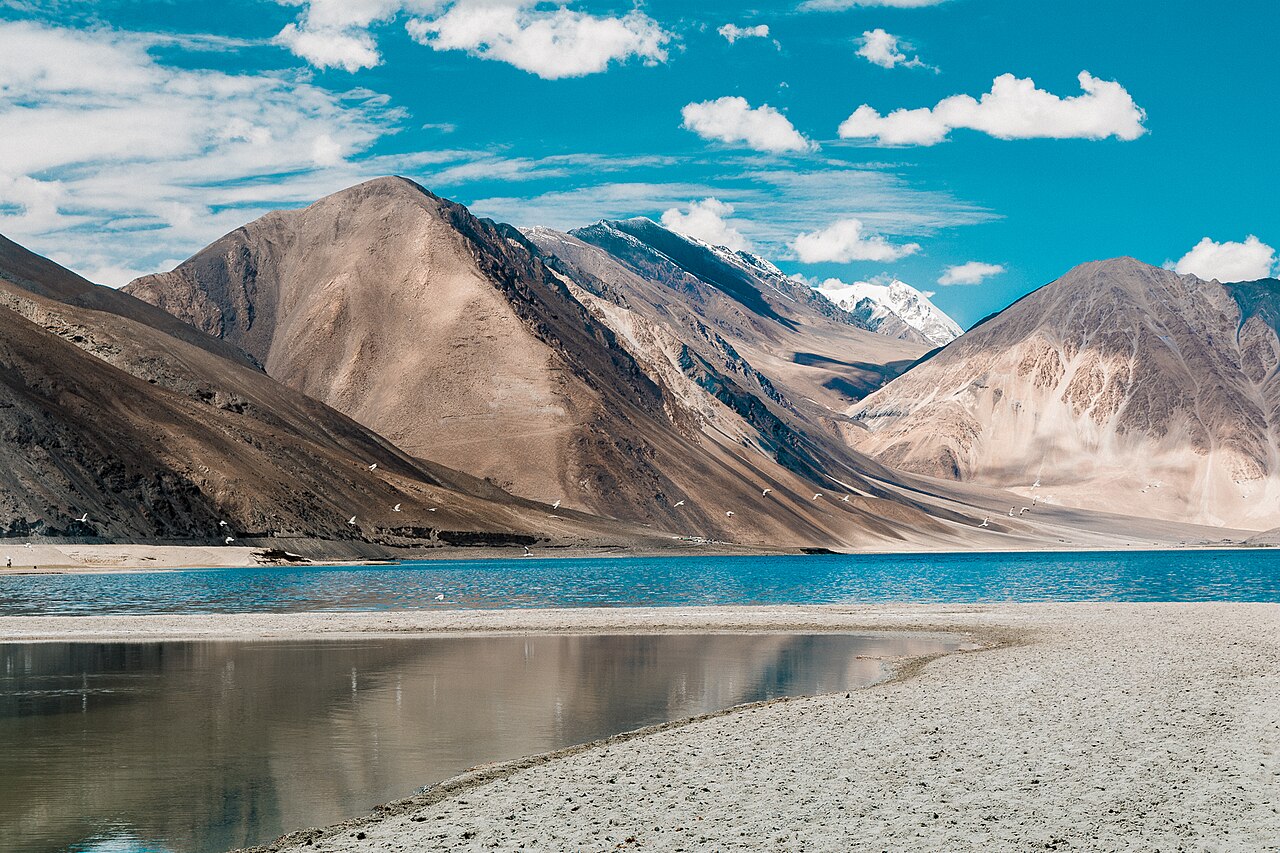
On a freezing night in June 2020, in a remote river valley in Ladakh, Indian and Chinese soldiers fought one of the most savage clashes of the modern era — without firing a shot. The Galwan Valley clash was the first combat to claim lives on the India–China border in over forty years.
It is a recent chapter in the very same Himalayan story my book returns to again and again — the cold, the height, and the soldiers who hold the line where the nation ends.
A standoff turns deadly
Through the spring of 2020, tensions had been rising along the Line of Actual Control in eastern Ladakh, with Chinese troops massing in disputed areas. On the night of 15 June 2020, a confrontation in the Galwan Valley escalated into a brutal, hours-long melee fought with fists, stones and improvised weapons at around 14,000 feet, in darkness and sub-zero cold.[1]
Twenty Indian soldiers were killed, including the commanding officer, Colonel B. Santosh Babu of the 16 Bihar Regiment. Chinese casualties, though never fully acknowledged by Beijing, were also significant.[1]
We stand as sentinels, unbowed and proud, our resolve unbroken, silent yet loud.
Courage without gunfire
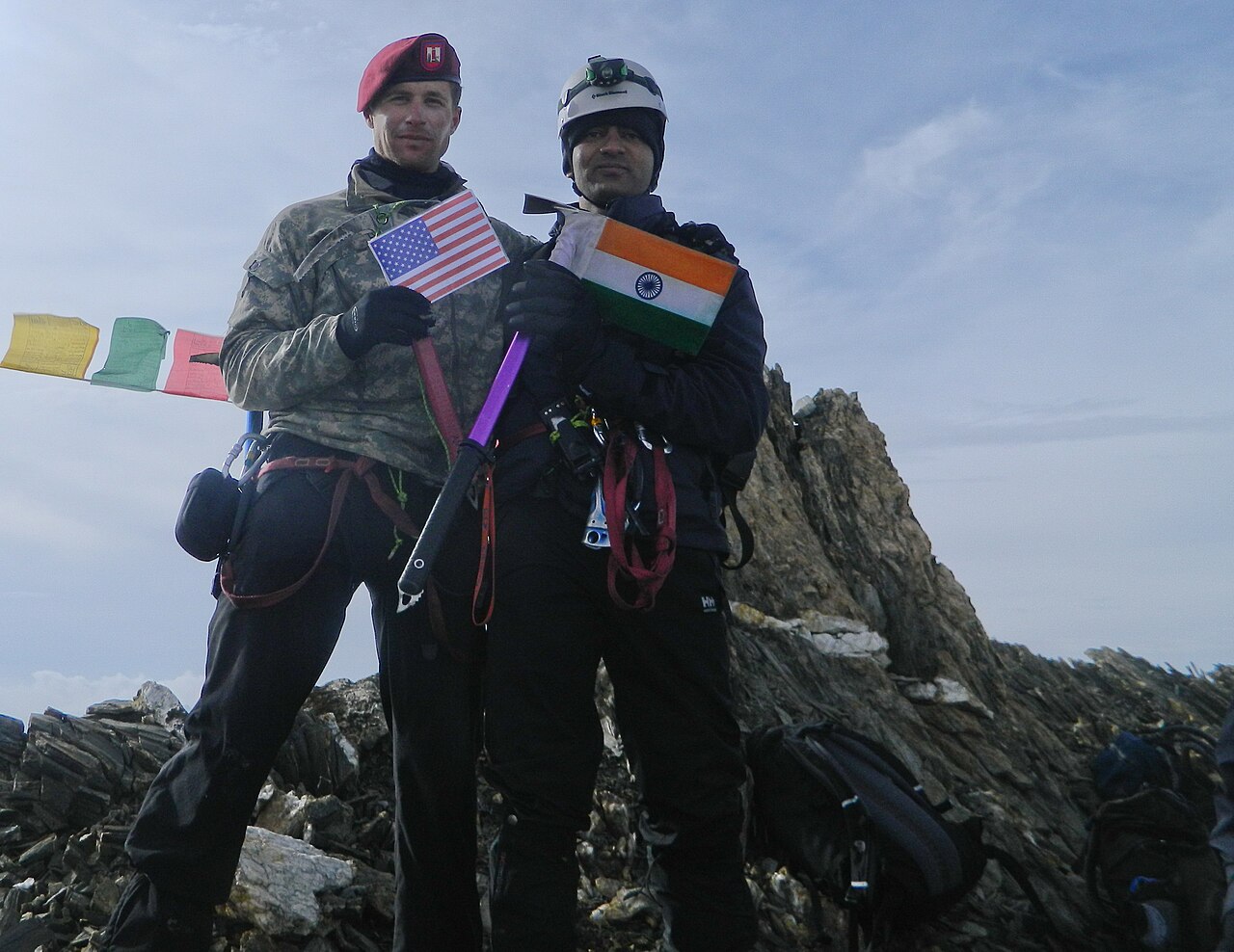
What makes Galwan haunting is its primal brutality. Because of long-standing protocols against using firearms along the disputed boundary, the soldiers fought essentially hand-to-hand on treacherous ground beside an icy river. Some fell to the terrain and the cold as much as to the enemy.
Colonel Santosh Babu was posthumously awarded the Maha Vir Chakra, India's second-highest wartime gallantry award, and several of his men were also decorated for their valour that night.[2]
The frontier that never sleeps
Galwan was a reminder that the Himalayan frontier — the same one where the soldiers of Nathu La stood in 1967 — remains one of the most dangerous and demanding postings on earth. The threats change shape; the cold and the courage do not.
The men who died at Galwan were not fighting a declared war. They were doing what Indian soldiers have done on that frontier for generations: holding ground in an impossible place so that the rest of us never have to. Their watch, like the one in my poems, simply does not end.
Sources & further reading
- "2020 China–India skirmishes," Wikipedia.
- Gallantry Awards portal, Government of India — gallantryawards.gov.in.
All images via Wikimedia Commons, used under the licences shown in each caption.