Recent History · 2019
Balakot, 2019: The Strike After Pulwama
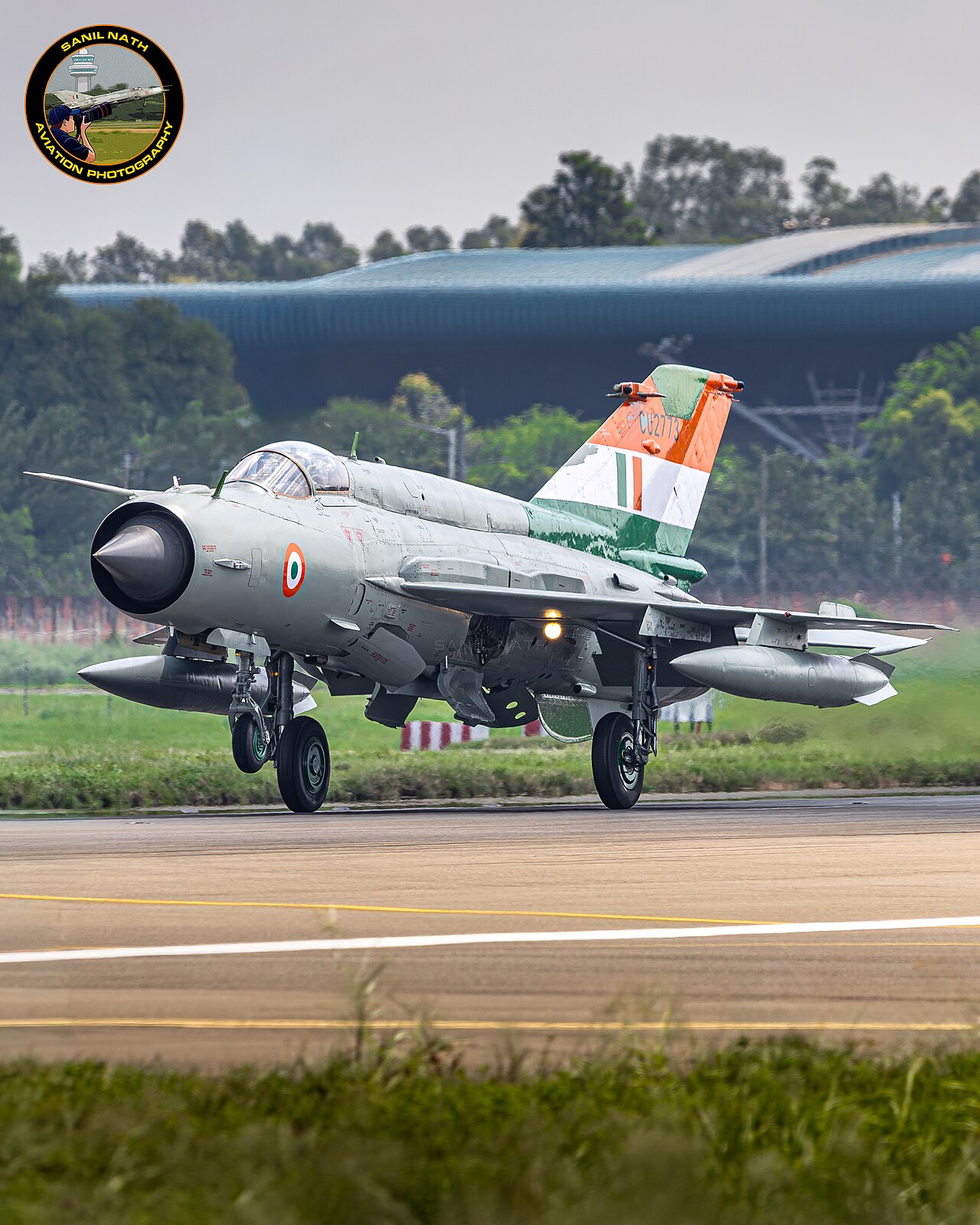
In February 2019, India was struck by grief and then galvanised into action. The Balakot airstrike marked a significant shift in how the nation answered cross-border terrorism — and produced days of tension that the whole country lived through hour by hour.
Pulwama
On 14 February 2019, a suicide bomber struck a convoy of the Central Reserve Police Force at Pulwama in Jammu and Kashmir, killing 40 CRPF personnel. The Pakistan-based group Jaish-e-Mohammed claimed responsibility, and the nation was plunged into mourning and outrage.[1]
For every scream they dared to inspire, I bring a vengeance that burns like fire.
The strike
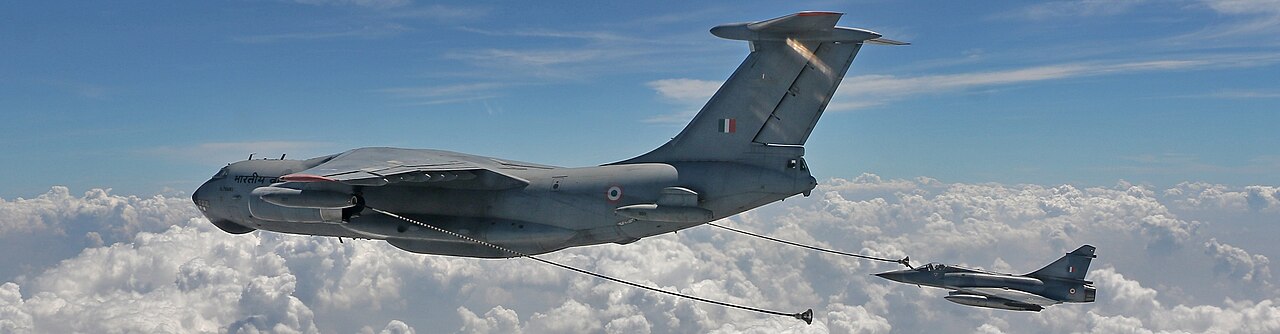
In the pre-dawn hours of 26 February 2019, Indian Air Force Mirage 2000 jets crossed the Line of Control and struck what India described as a major Jaish-e-Mohammed training camp near Balakot, inside Pakistan.[1] It was the first such air strike across the international border since 1971.
The next day brought an aerial engagement in which Wing Commander Abhinandan Varthaman's MiG-21 was shot down; he ejected, was captured by Pakistan, and was returned to India a few days later — a moment that gripped the country.[1]
A new doctrine, and its weight
Balakot signalled a more assertive Indian posture — a willingness to strike terror infrastructure across the border. It was, in spirit, a precursor to Operation Sindoor six years later.
The poem The Fire Within, written about the fury of the soldier avenging the innocent, captures the emotional charge of such moments. But part of writing honestly about patriotism is to hold two truths together: the righteous anger at an attack on the defenceless, and the sober knowledge of how dangerous escalation between nuclear neighbours can be. Balakot was both a moment of national resolve and a reminder of how high the stakes have become.
Sources & further reading
All images via Wikimedia Commons, used under the licences shown in each caption.