Tribute · Letters Home
A Soldier's Last Letter: The Words Left Behind
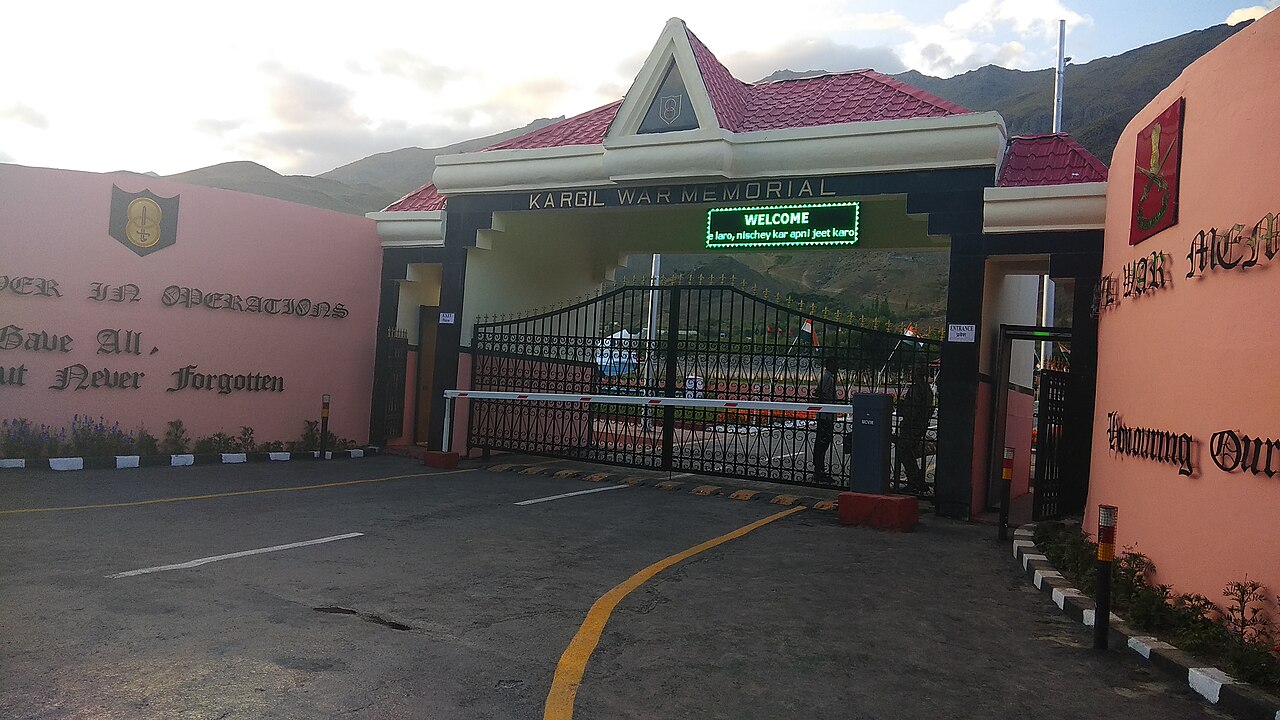
Among all the relics of war — the medals, the weapons, the maps — none is more piercing than a letter. Soldiers facing a dangerous mission have always written home, "just in case," and those letters, when they become the last word a family ever receives, hold a power no monument can match.
My poem A Soldier's Farewell Letter is written as exactly such a note: "When you read this, time may decide, I'll either return to stand by your side, or wrapped in the tricolor, I may lie still."
The bravest kind of writing
To write a farewell letter is an act of almost unbearable courage. The soldier must imagine their own death clearly enough to prepare their family for it, and must do so while keeping fear from the page — offering, instead, comfort and love to the very people they are about to leave.
These letters tend to share a striking calm. They speak less of glory than of small, human things: gratitude to parents, love for a spouse, hopes for a child, an apology for the grief to come. "Pray not for safety, but for resolve," my poem's soldier writes — a line I imagined precisely because real soldiers so often write something like it.
Alive or fallen, my spirit stays, in the flag I served, in the freedom that sways.
A captain's farewell from Kargil
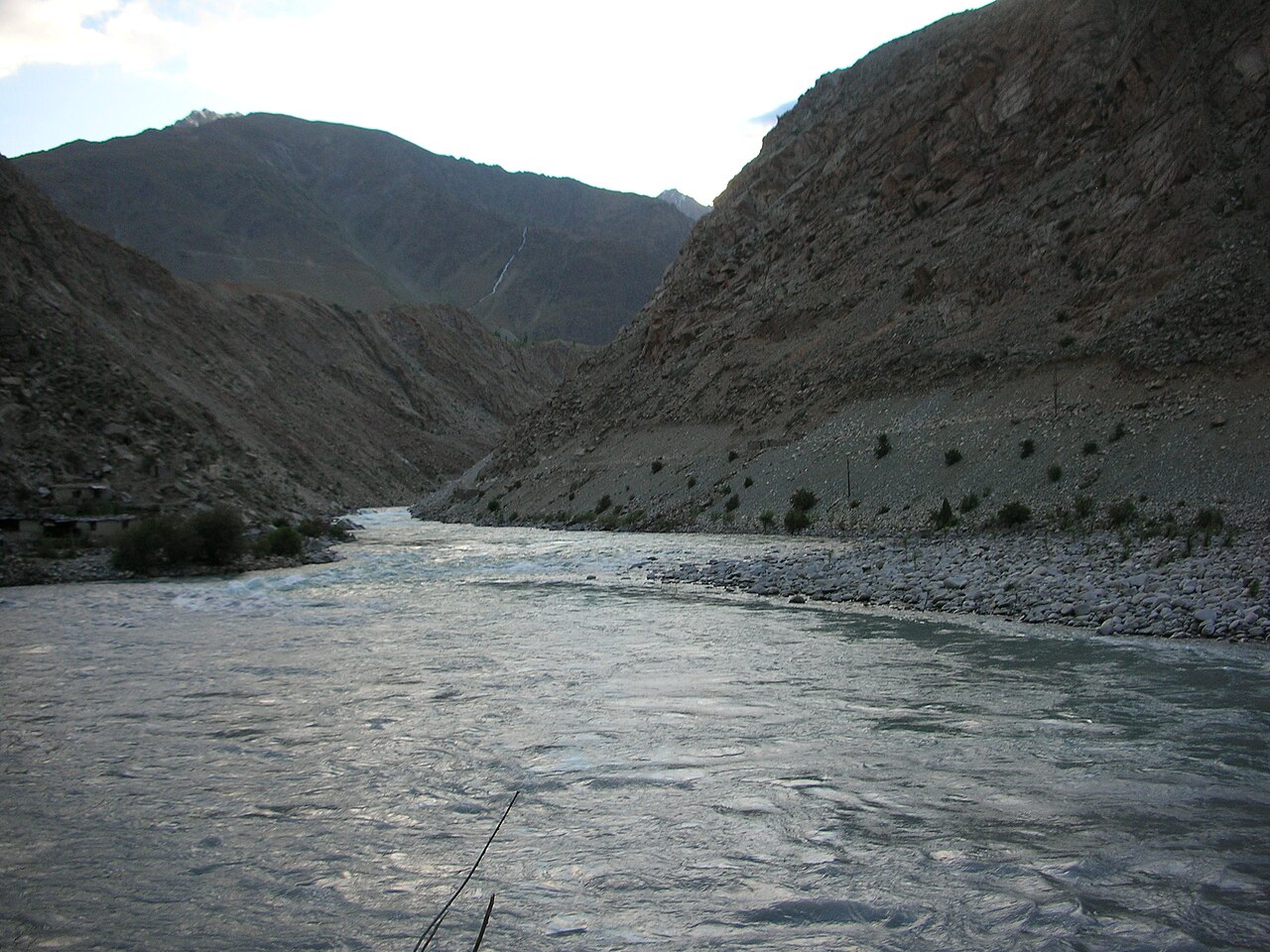
The Kargil War left behind several such letters. One of the most famous was written by Captain Vijyant Thapar of the 2 Rajputana Rifles, just twenty-two years old, who fell in the fighting of 1999. In his last letter to his parents, he wrote with extraordinary maturity about duty, sacrifice, and his wish that they be proud rather than only sad.[1] It is now read by many as a national treasure.
Letters like his turn an abstract casualty figure back into a person — a son with a sense of humour, a young man with plans, a human being who chose his duty knowing the price.
Why the words endure
A farewell letter is a bridge thrown across the gap of death — "a bridge to hearts forever entwined," as the poem says. Long after the war ends, the letter remains, carrying the soldier's voice into rooms they will never enter again.
That is why I wanted to write one into my book. The history of a war can be told in dates and ridgelines. But its truth lives in these private goodbyes — the words a young person leaves behind, hoping they will never have to be read, and proving, when they are, exactly what was given so that the rest of us could stay home and safe.
Sources & further reading
All images via Wikimedia Commons, used under the licences shown in each caption.